
One of the first readings I assign to students is this article1 by Jason Steinhauer because it allows students to engage with the core aspects of the historian’s craft, particularly the difference between memory, myth, history, and the past. In last week’s post, I talked about Thanksgiving, its mythology, and the purpose of that myth. So, this week I will focus on memory inspired by my recent visit to Memento Park (link). But first a bit of a digression.
Memory is tricky. At its core, memory is how an individual recalls their lived experiences. Yet that makes memory very slippery because it is inherently limited, partial, and individual, or more simply memory is imperfect. An individual’s memory is only as good as their ability to understand and process the events in that moment and their cognitive ability to recall. This means that memories are built on incomplete information shaped by a person’s own experiences and are limited by that person’s mental state at the time and later. Moreover, we know that memories can change. Psychology tells us that memory is not stored intact in the brain but in pieces that are reassembled during the process of recall which is why different details can emerge when someone tells the story at different times, places, ages, etc.
In Steinhauer’s piece, he talks about his grandmother’s memory of the bustling Polish city she grew up in. Yet, when Steinhauer and his parents visited it years later they found a tiny village without any evidence of the city she described. The discrepancy was more than just age; her perspective as a child and the nostalgia of childhood also likely contributed to the differences.
As if memory were not already fragile enough, it is also social. One thing this is often correct in the police procedural TV shows, is that witnesses are often separated and interviewed individually. This is because as social beings, when we are recalling a memory, we can subconsciously include pieces of other’s memories just from hearing them. It’s not malicious; it’s how we are wired for survival as a communal species. For example, in my family there is a famous story about me from when I was around four years old. I have no independent memory of the events, yet I have heard the story so often that I can recall the story, in first person, and convincingly recount it as if it were my own. It’s a created memory; a social memory.
Individuals have memories and when a group of individuals share an experience that pooling of those memories is what binds them together. This happens in families, it happens in military units, schools, towns, countries, within any group with shared experiences. Thus, a major part of what binds the group together is the act of collectively recalling the past shared experience, or the stories the group tells itself about itself—my very definition of a myth. Myths are not inherent true or false, rather they are collective memory and can thus outlive individuals. Yet, since memory can also be shaped or changed by external influence, myth becomes part of how we understand ourselves socially and even how we understand our own experiences.
This brings us back to Memento Park. The Bolsheviks and their imitators understood the power of collective storytelling, so they intentionally worked to reshape national myths and one way that did that was through statuary. For example, Hungary experienced its own short-lived Bolshevik revolution in 1919, so memorializing that moment the Moscow-aligned Communist leadership in Hungary could emphasize Communism as something organic to Hungarian culture and not imposed from outside.
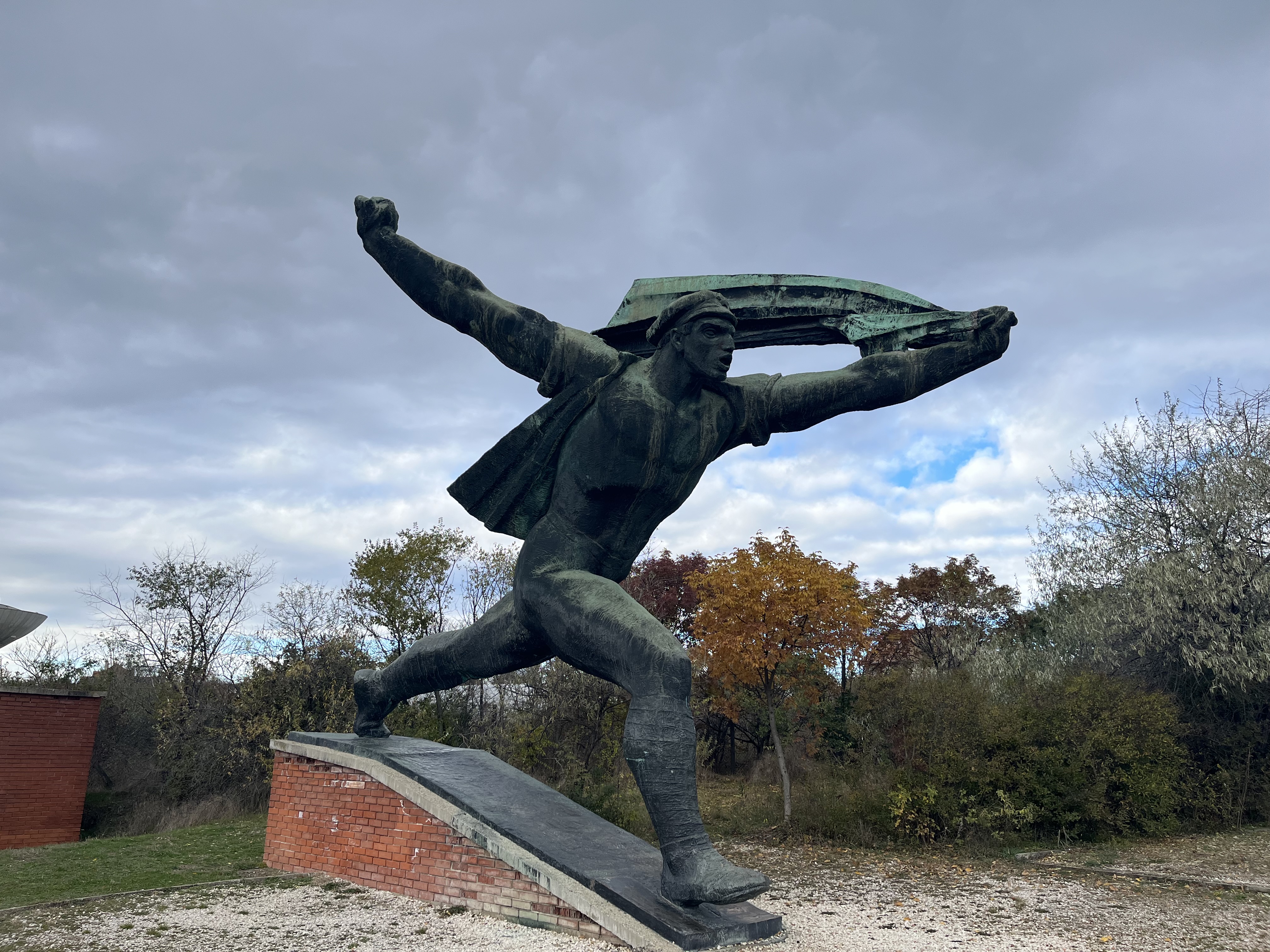
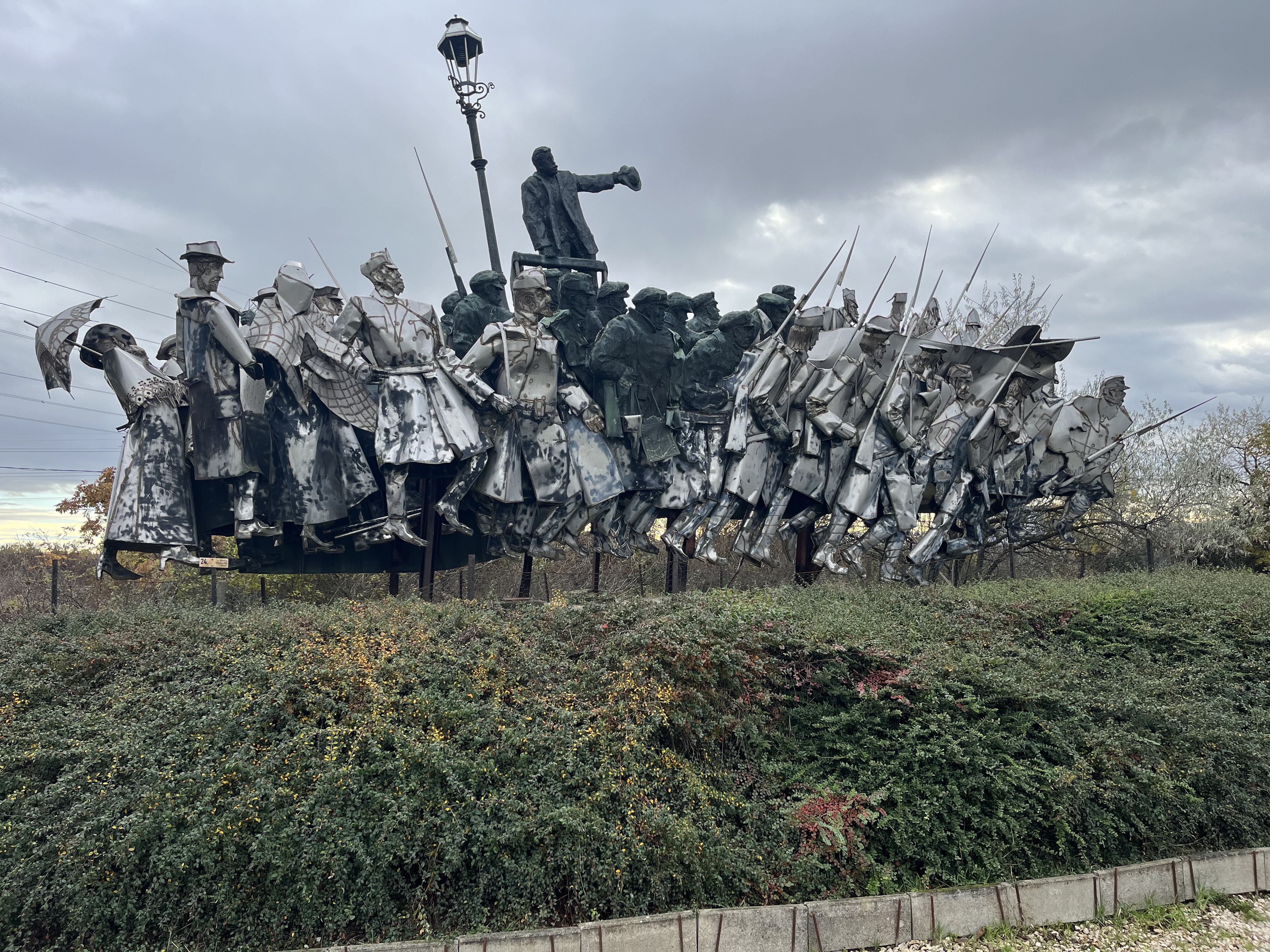
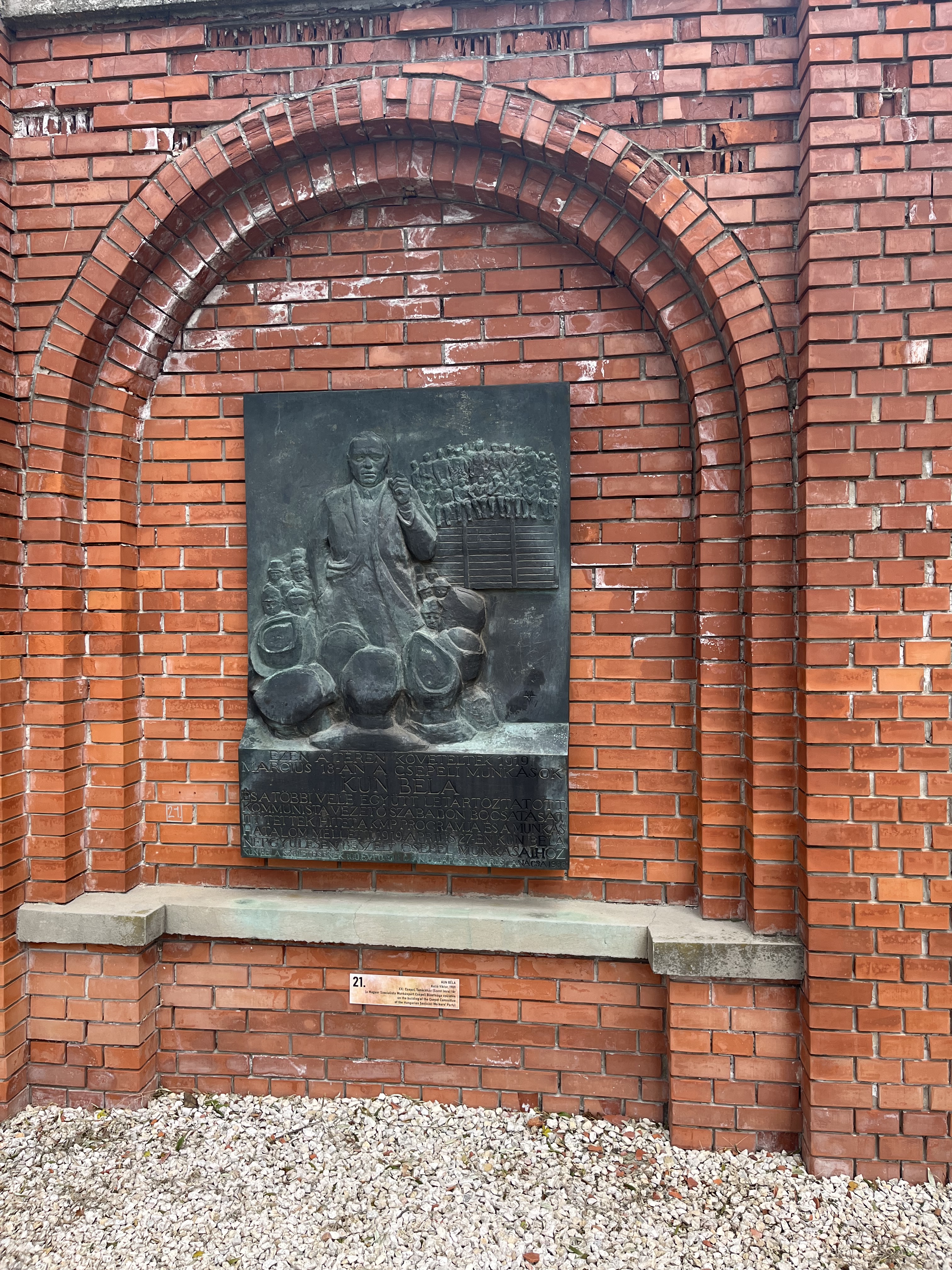
Likewise, the Red Army’s occupation of Hungary, what the Soviet’s call the Liberation, was captured by statues presenting the Red Army as friendly and even protective.
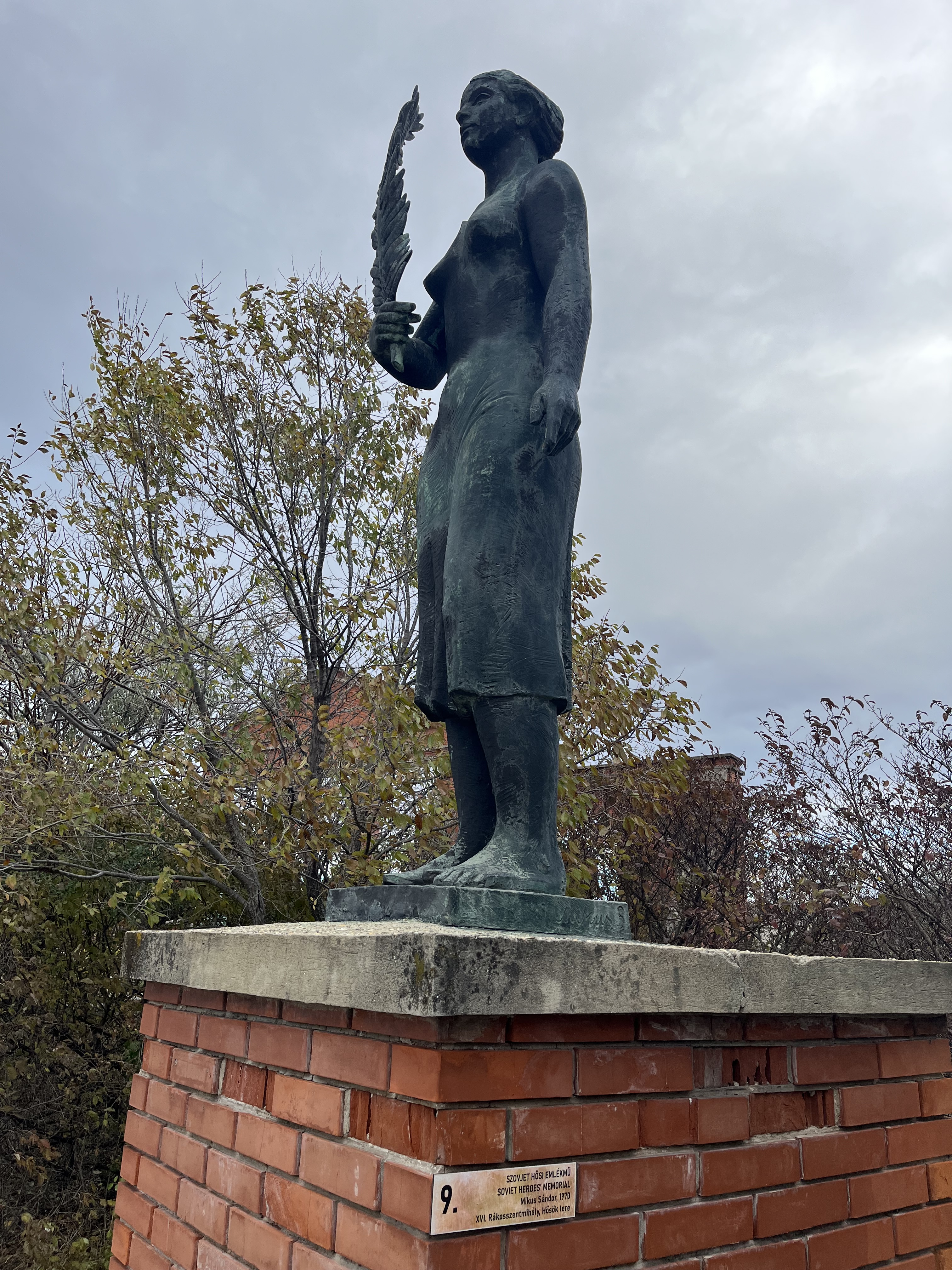
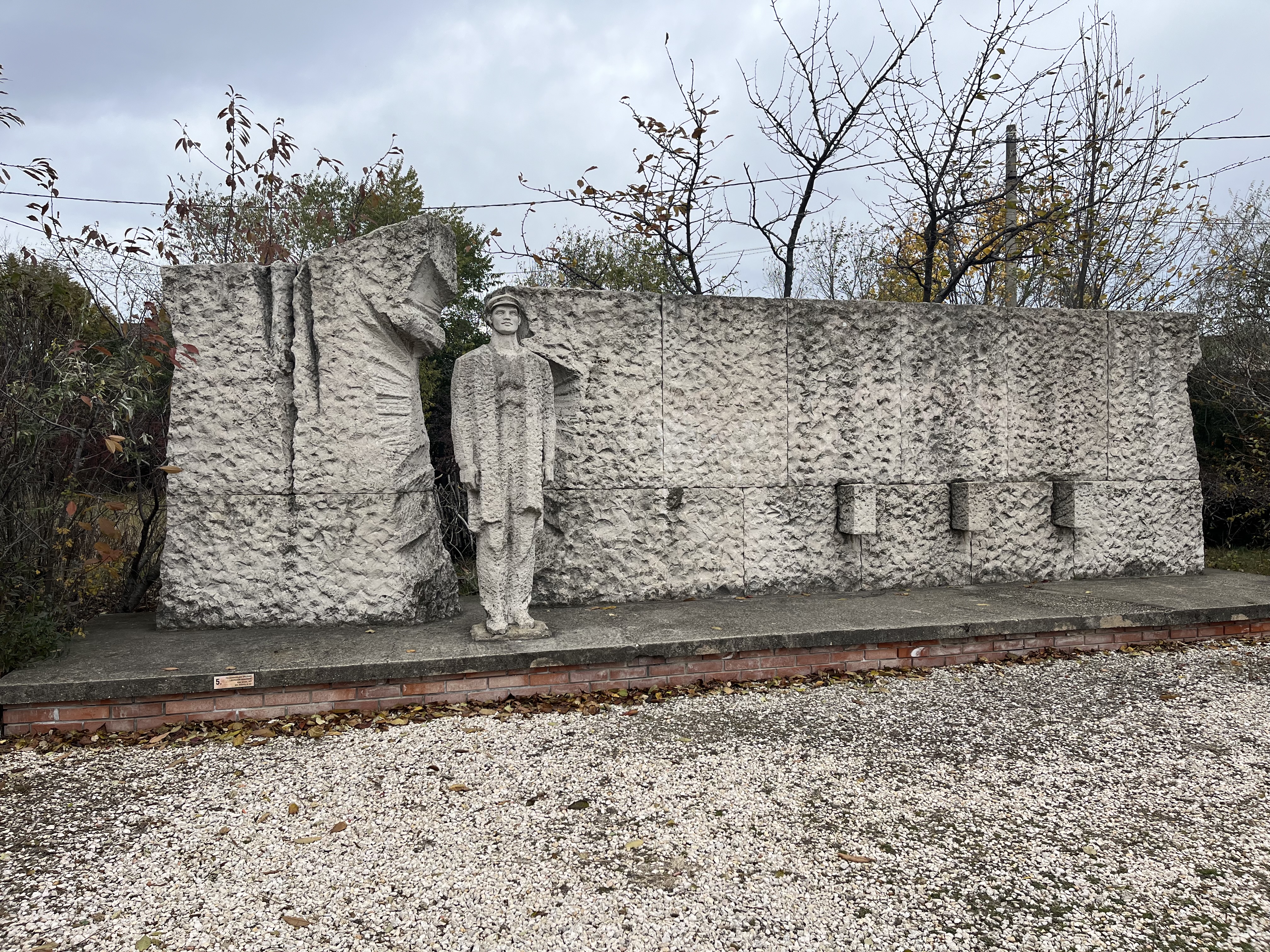
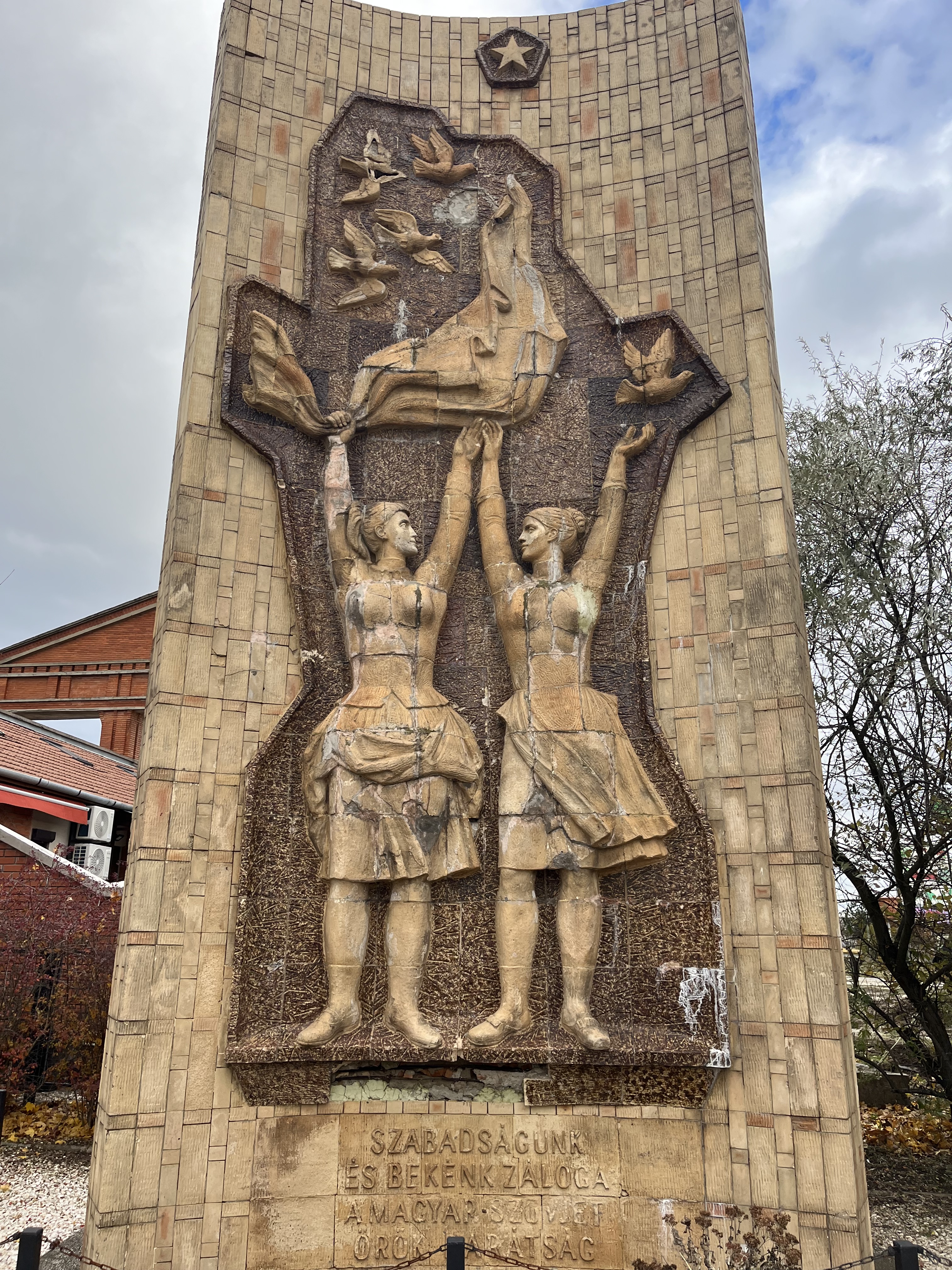
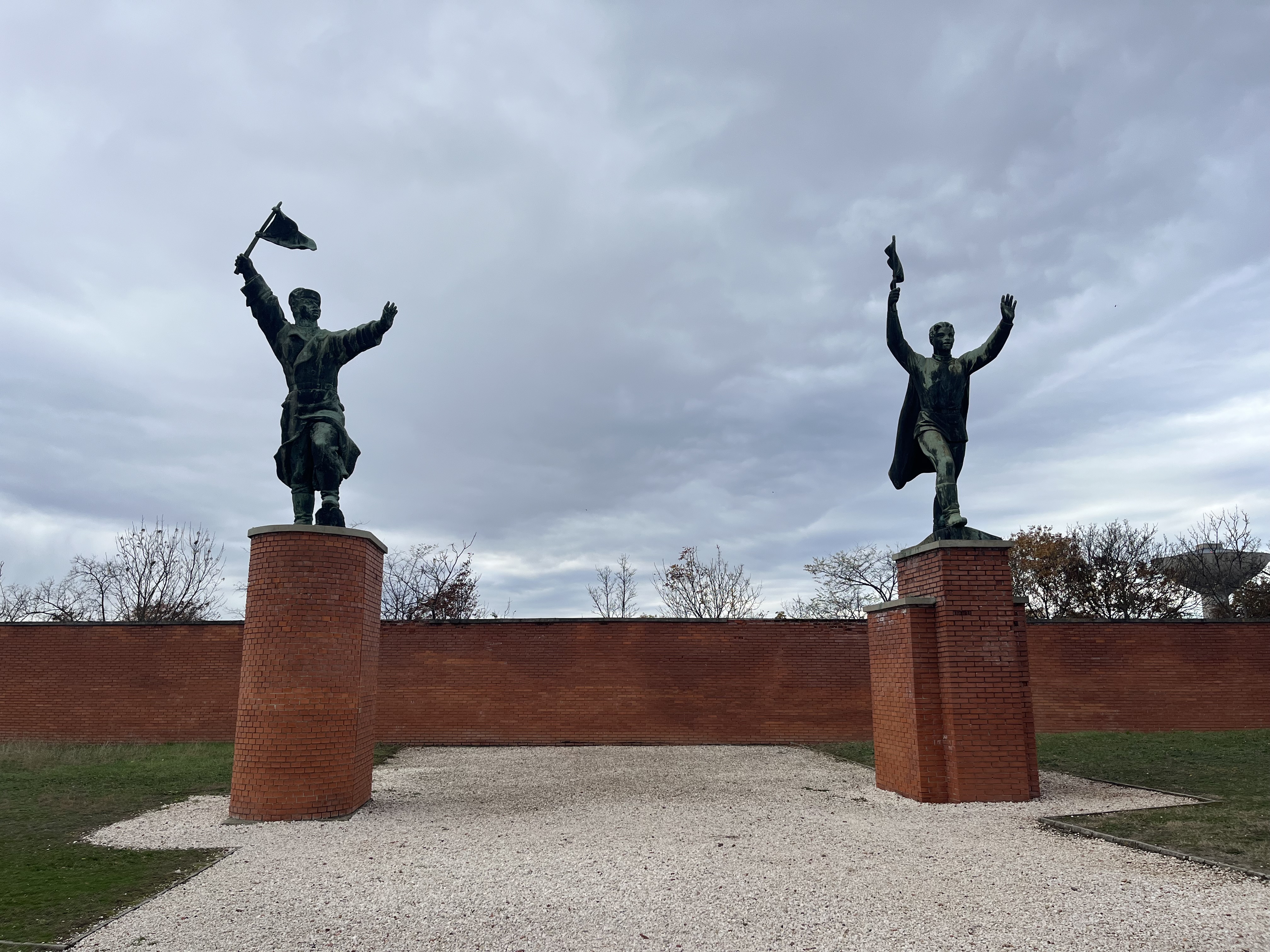
Even the failed uprising in 1956, what the Soviet’s dubbed the Counter-Revolution, was memorialized.
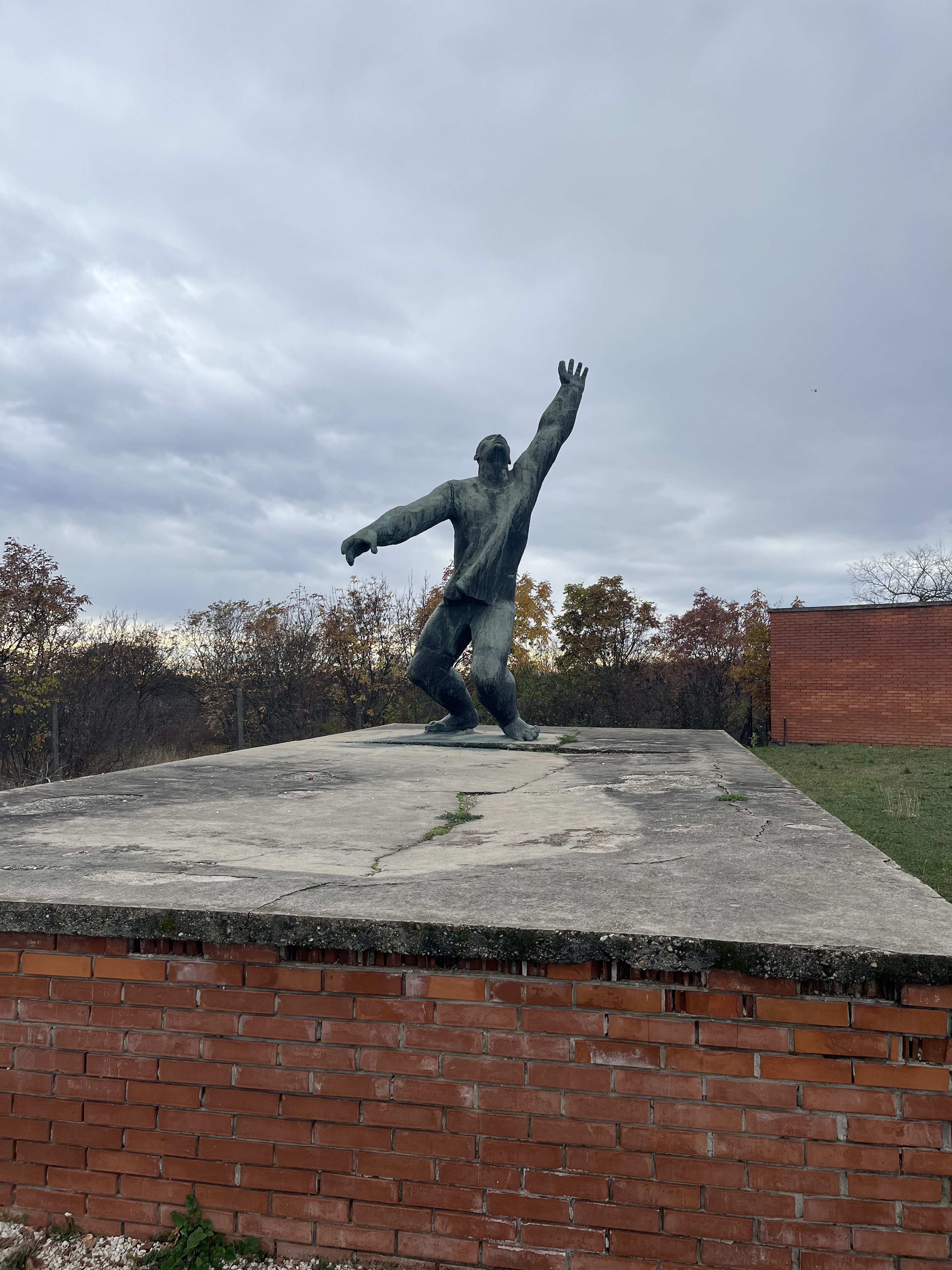
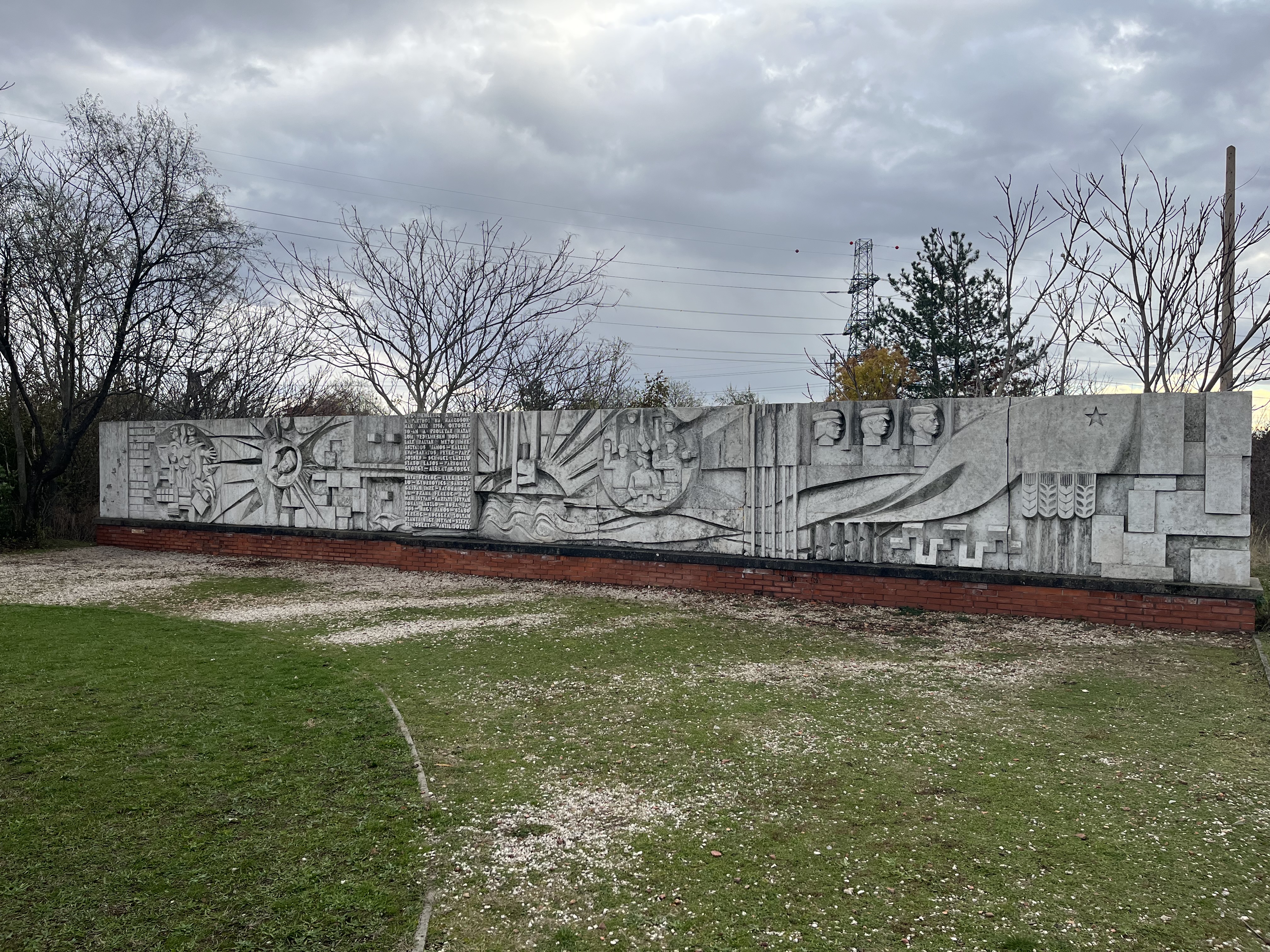
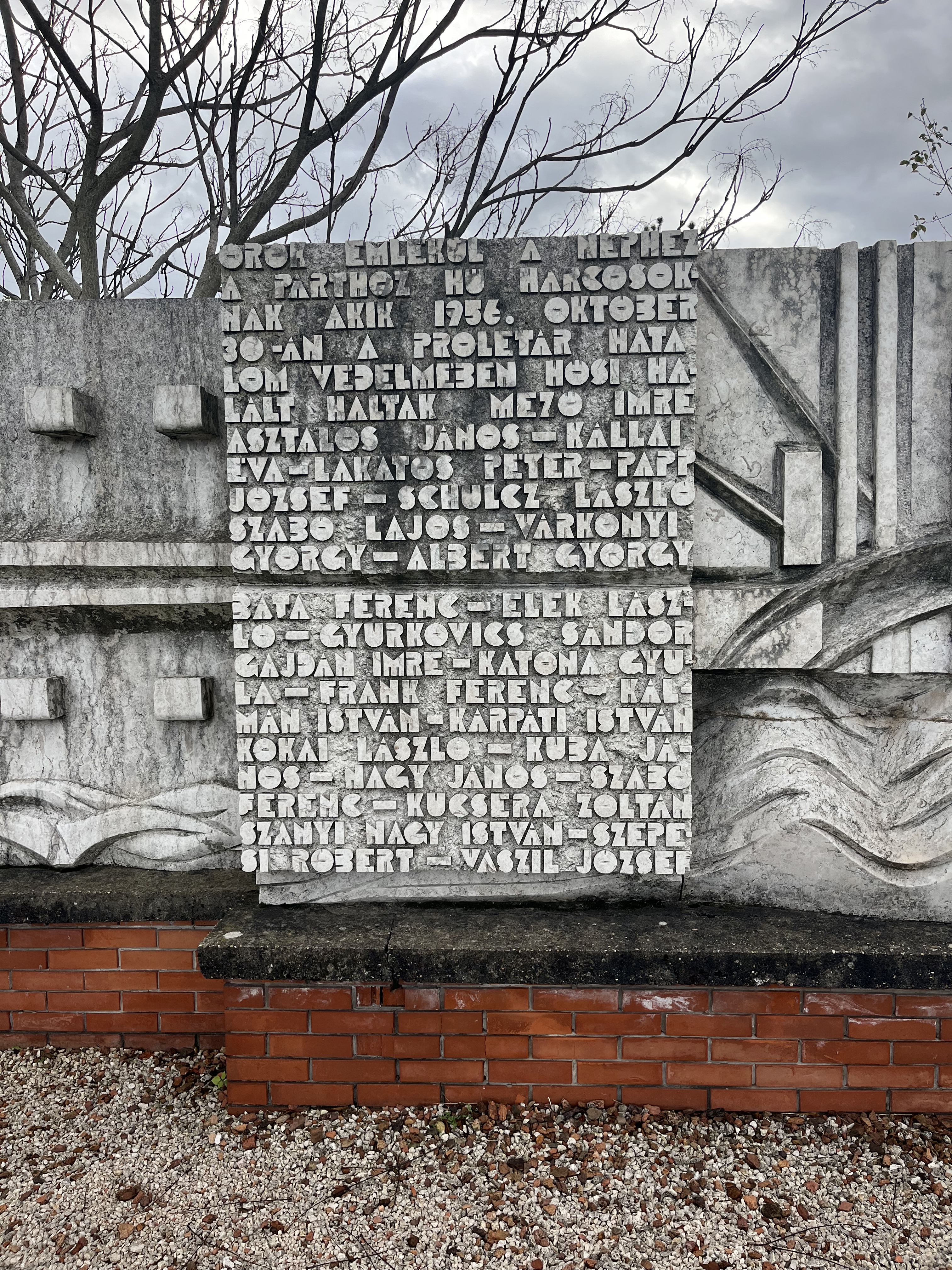
Throughout the Soviet Union and Warsaw Pact, Lenin, Stalin, and their successors sought to tell the story of national events through education, art, statues, literature, and media. (They are not alone in this as all forms of authoritarianism try to control what can be presented to the public.) Yet after 1989, the Hungarian people rejected the Soviet-dominated myths and sought to replace them with different ones: Liberation became Occupation, the Counter-Revolution became a repressed Revolution, etc.

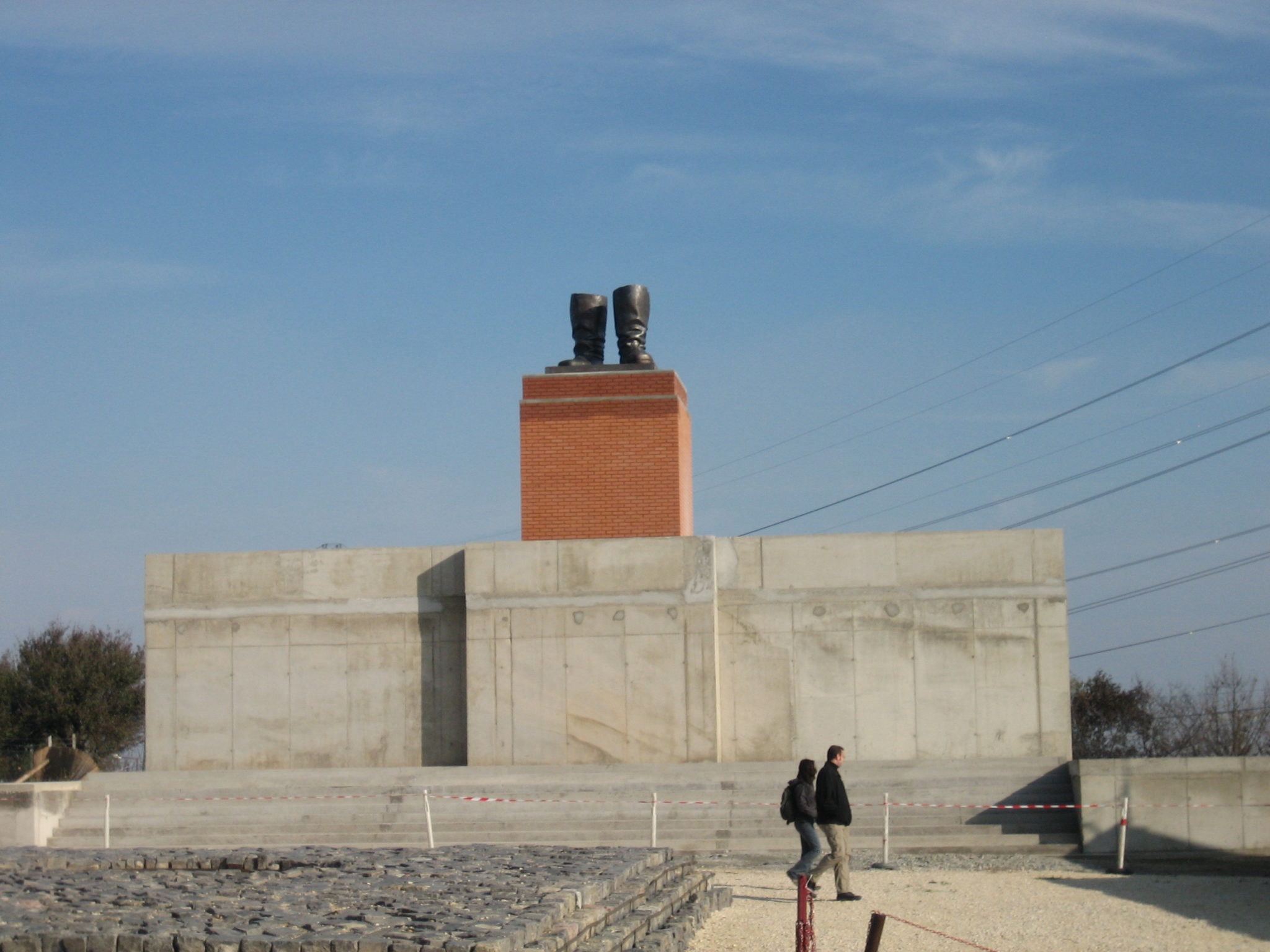
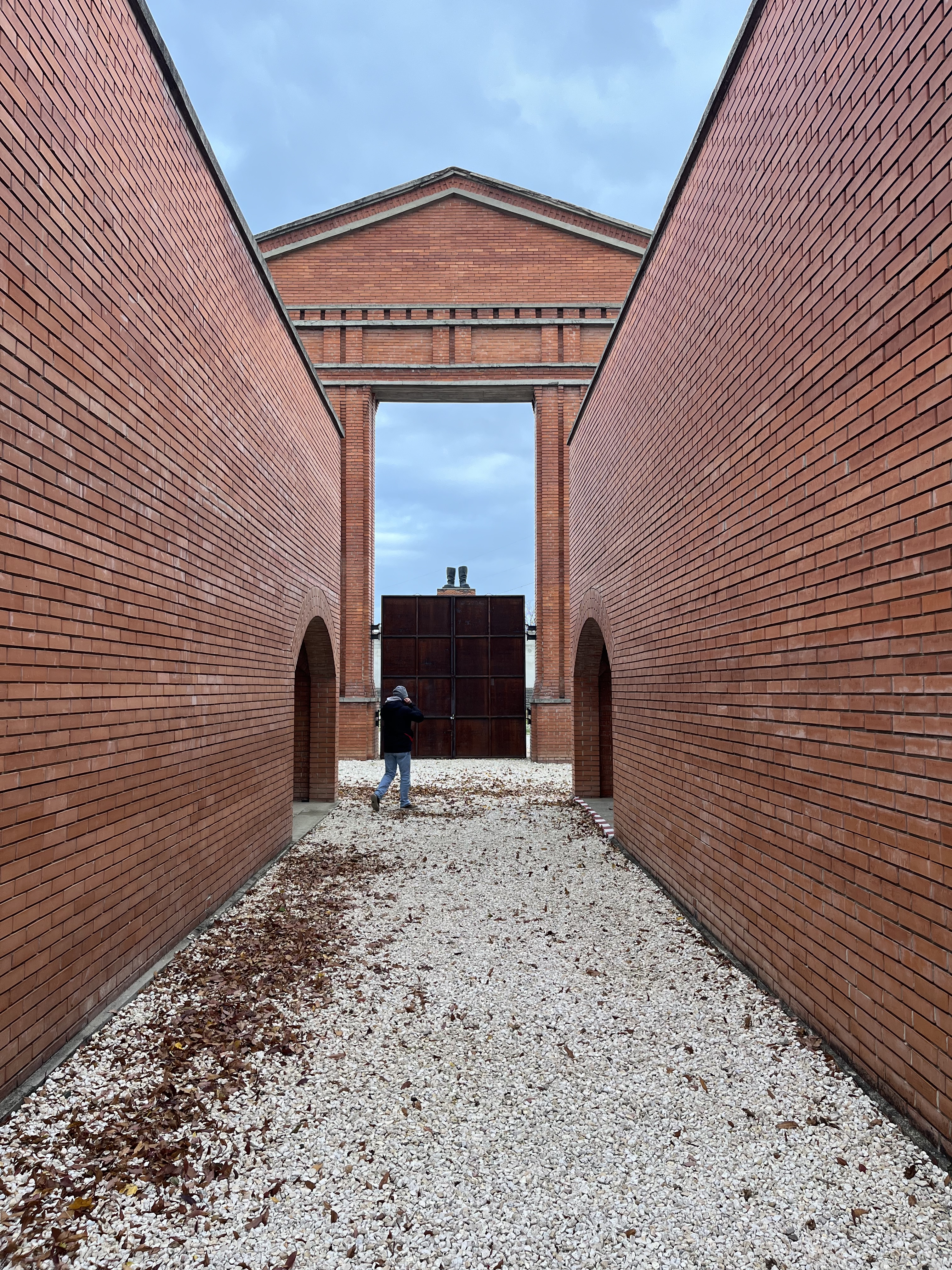
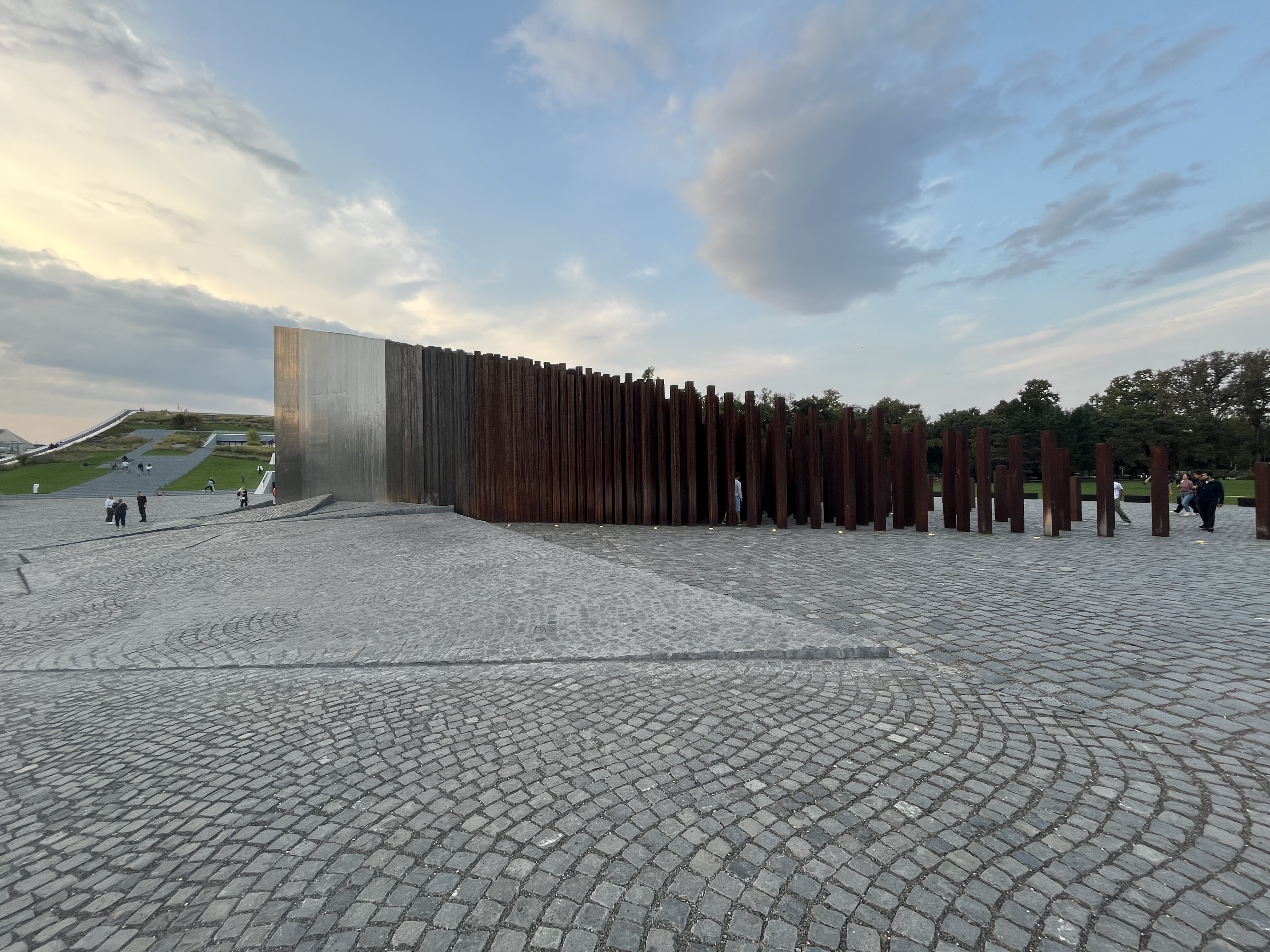
Left with massive sculptures of a past that some, though not all, saw as repressive the state opted to preserve them but also to relocate and recontextualize them. The result is Memento Park, a site to remember a complicated past and those who experienced it.2
Which brings us back to Steinhauer. His article was published in August 2017 at the beginning of a concerted effort to reevaluate statues and memorials associated with slavery and white supremacy in the United States. He uses the history of central and eastern Europe to provide insights into a present by citing examples like Memento Park. Our tour guide kept referring to the park as apolitical yet what she really meant is that the site is non-partisan. The entire site is political because it is a reminder of a Hungary that no one wants forgotten because they do not want it to return.
 Patrick C. Leech
Pingback: What is history and why does it matter? – Patrick C. Leech
Pingback: Snowy Days in Debrecen – Patrick C. Leech