The Hungarian Academy of Sciences (Magyar Tudományos Akadémia) plays a critical role in the development of Hungarian culture, education, and scholarship. Founded in 1825, the Akadémia served as a center for the development of a formalized Hungarian language, literature, and a repository for scientific knowledge. It is housed in a beautiful Renaissance Revival building overlooking the Danube and facing the Lánchid and the Buda Castle.

Attached to the back of the building is the library. While designed by a different architect, the Library was originally built as attached apartments for some staff and members but was later converted to house the Library. Formally known as the Library and Information Center of the Hungarian Academy of Sciences, the Library houses the Akadémia’s publications and records as well as various donated collections from former members.
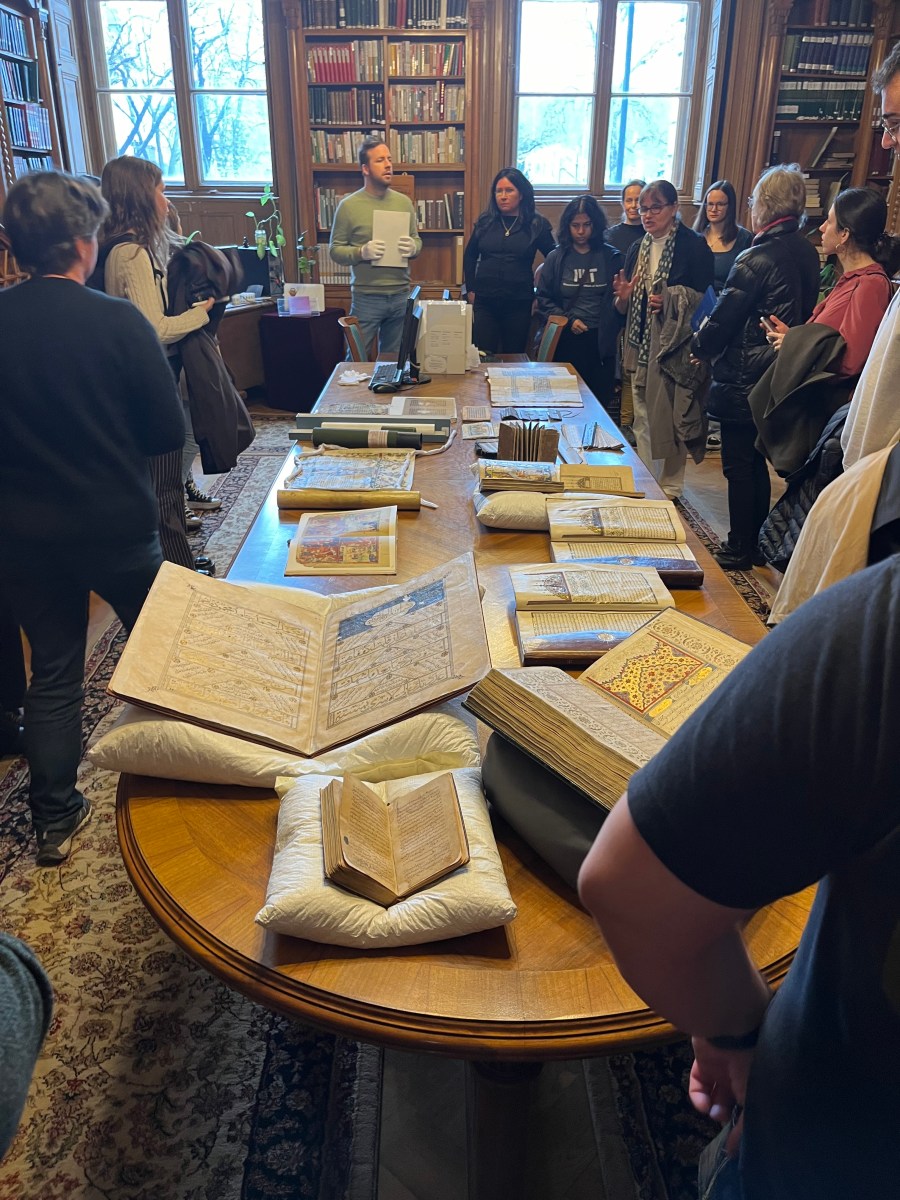
Earlier this month, the Library staff welcomed my Fulbright cohort on a tour of the facilities [Facebook post] and its two major special collections: Kéziratár és Régik Könyvek Gyűjteménye and the Keleti Gyűjtemény.
Kéziratár és Régik Könyvek Gyűjteménye (Manuscripts and Rare Books Collections)
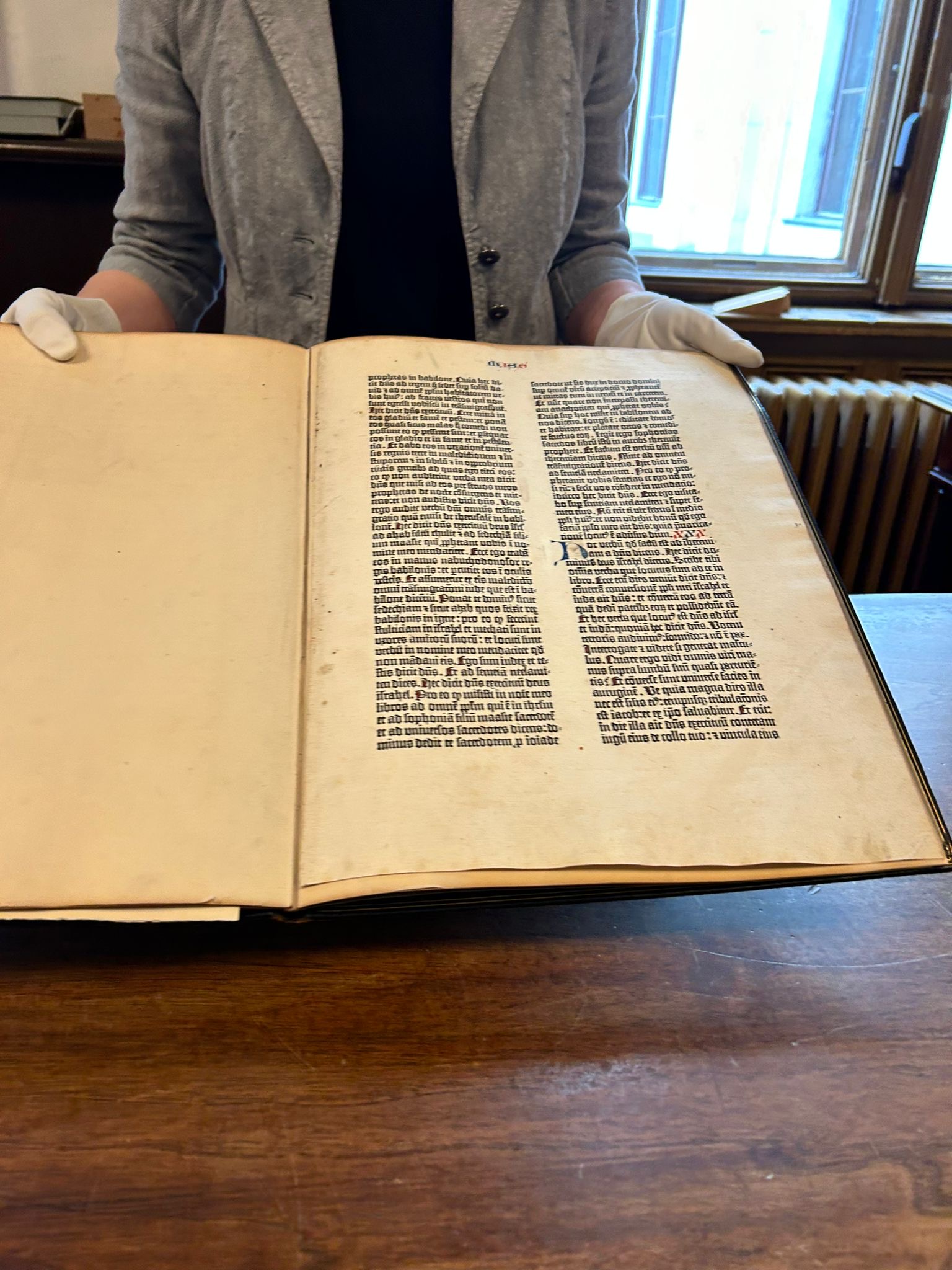
In this collection, a Medieval specialist showed us some of her favorite pieces of the collection including a Books of Hours, illuminated Medieval personal devotional books, a volume of from the famous late-Medieval library of King Mátyás Corvinus (Bibliotheca Corviniana), a leaf from an original Gutenberg Bible, and other beautiful volumes.


Keleti Gyűjtemény (Eastern/Oriental Collection)
This collection is actually a combination of several collections donated from some of Hungary’s leading scholars of Asia, including David Kaufmann, Alexander Csoma de Kőrös, and many others. Here specialists in Hindi, Turkish, Ottoman, Persian, Arabic, and Hebrew shared various manuscripts collected during the 19th and early-20th Centuries, most having been created several centuries earlier. Unfortunately, we did not get to see materials from their Tibetan, Chinese, Mongolian, or Manchu collections, though those collections are equally impressive.
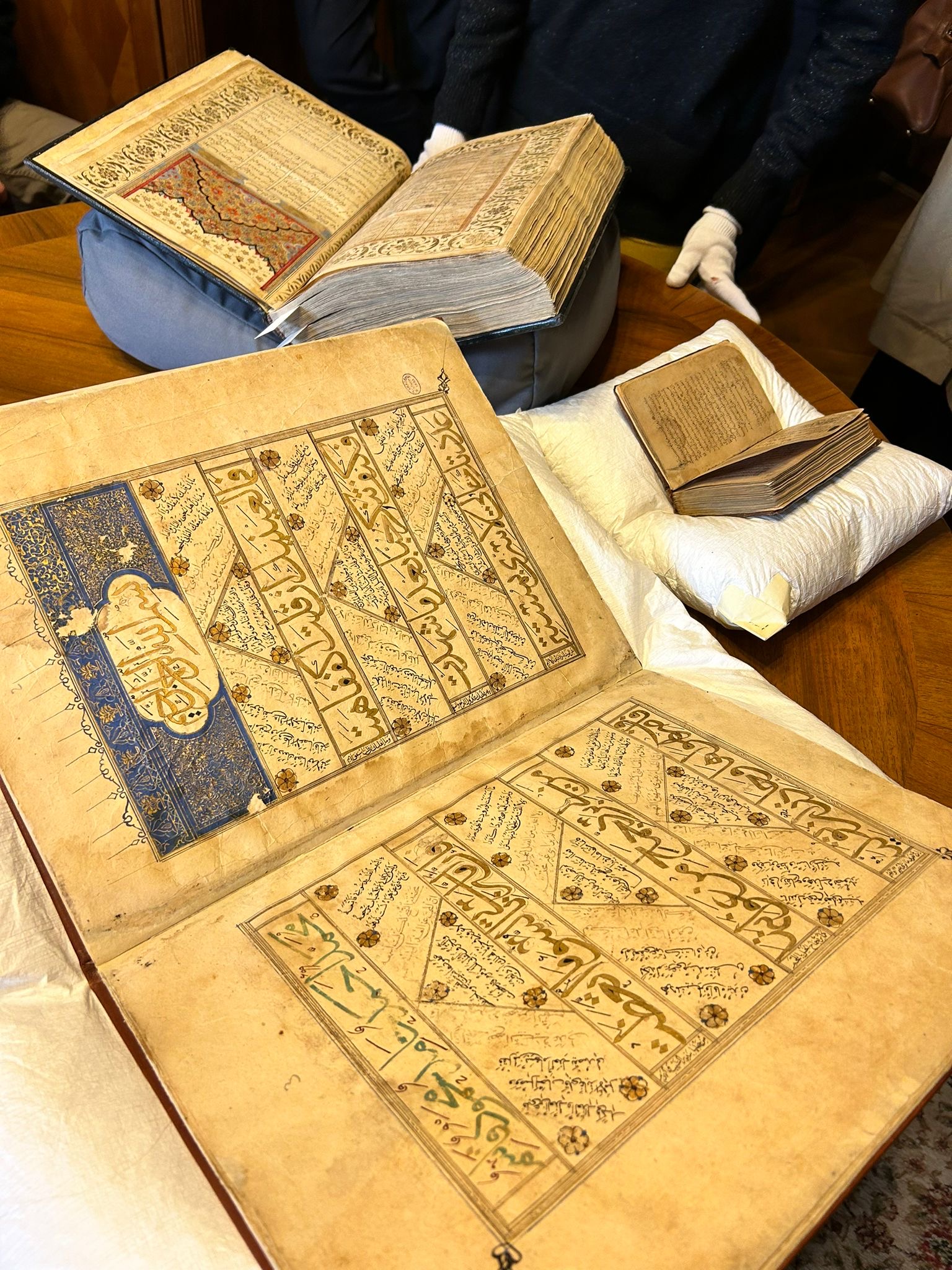
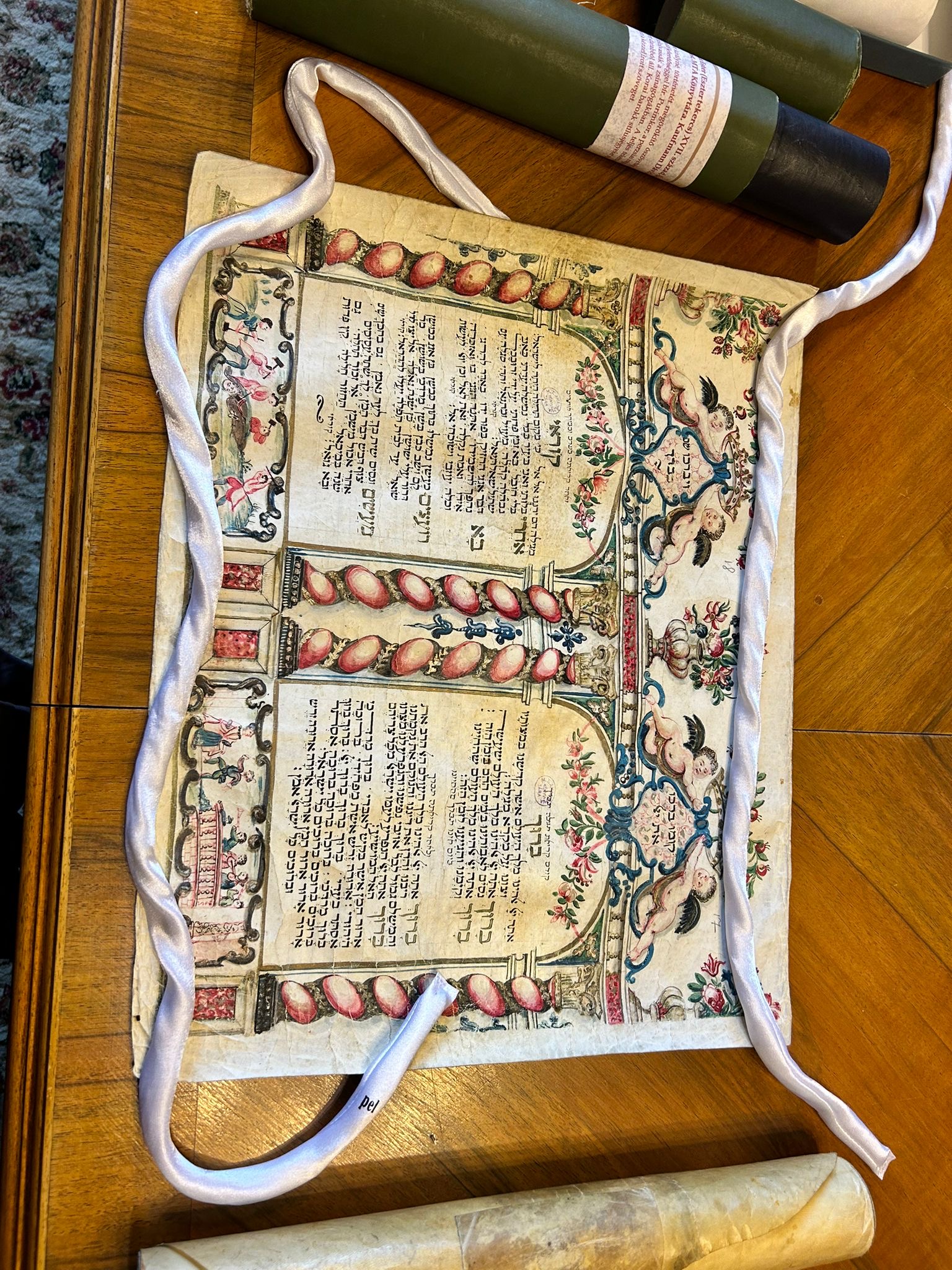
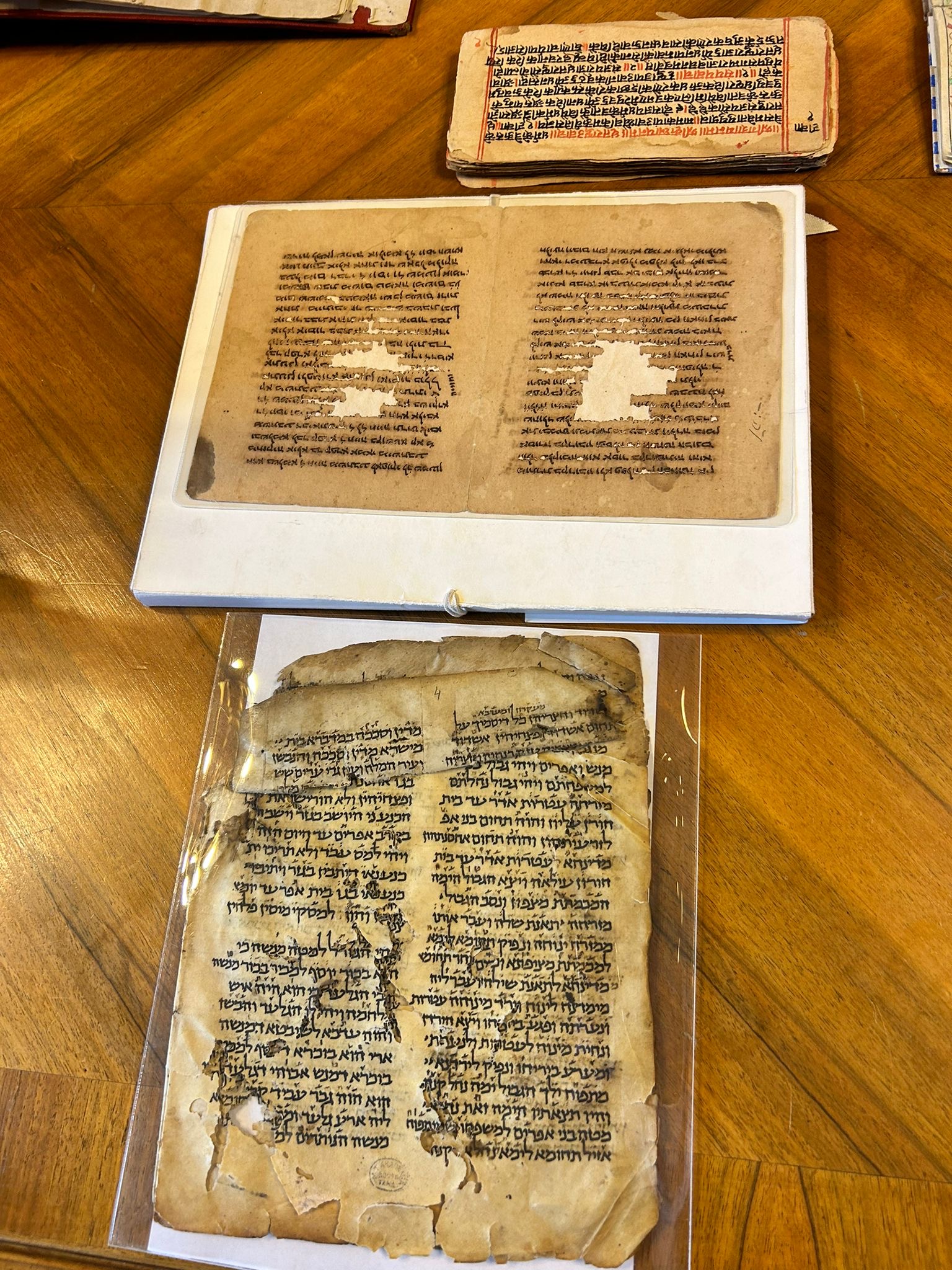
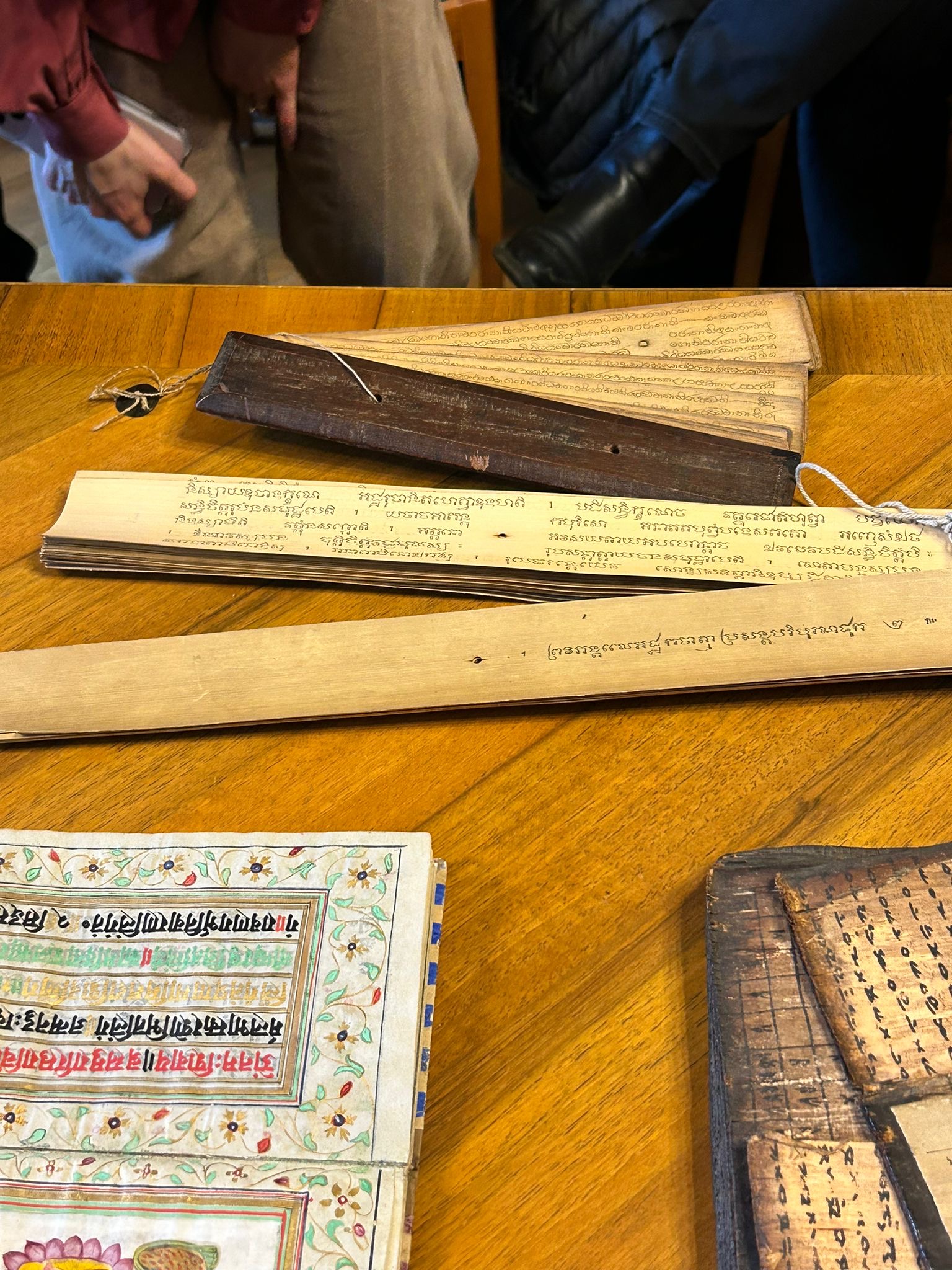
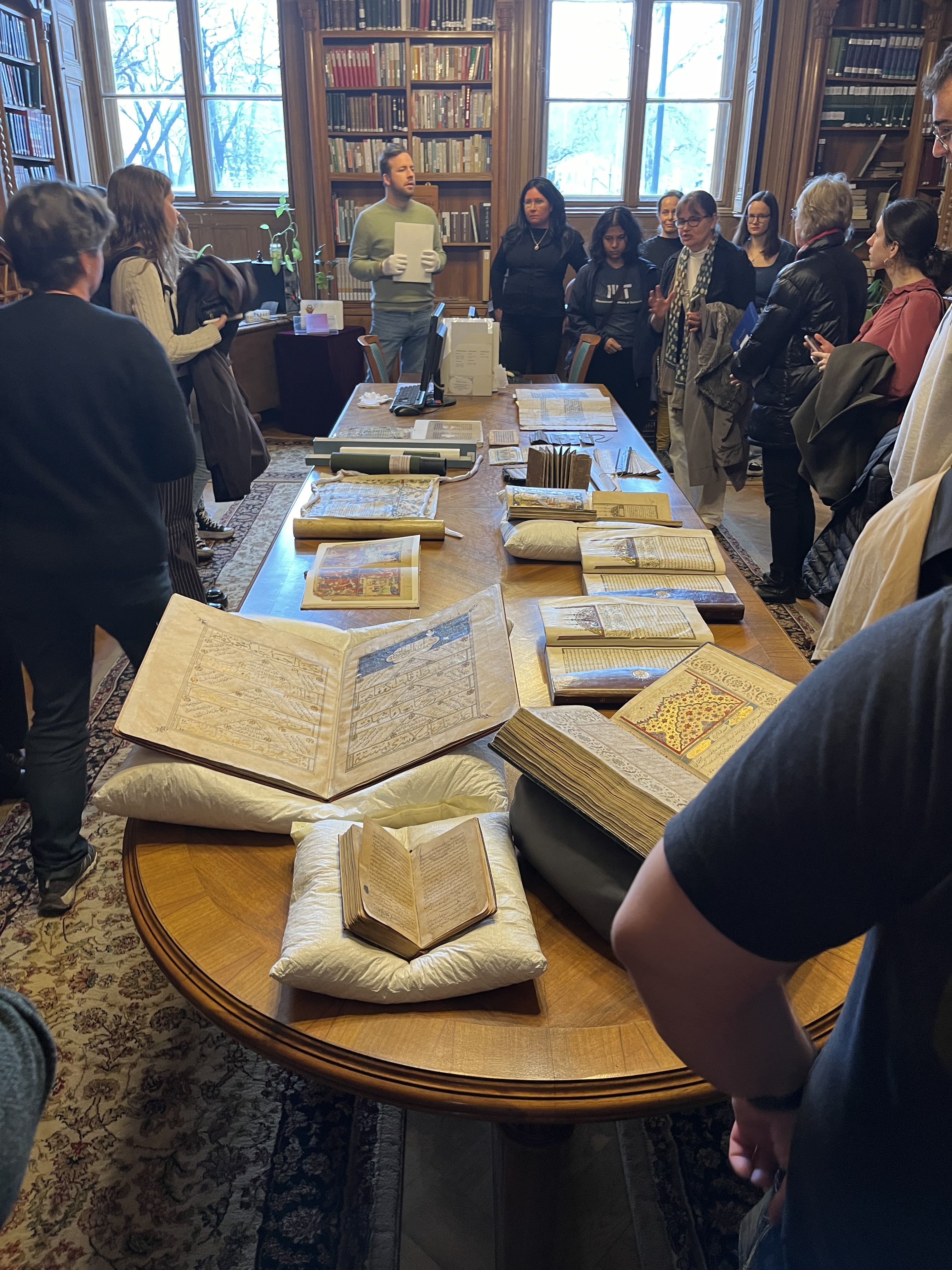
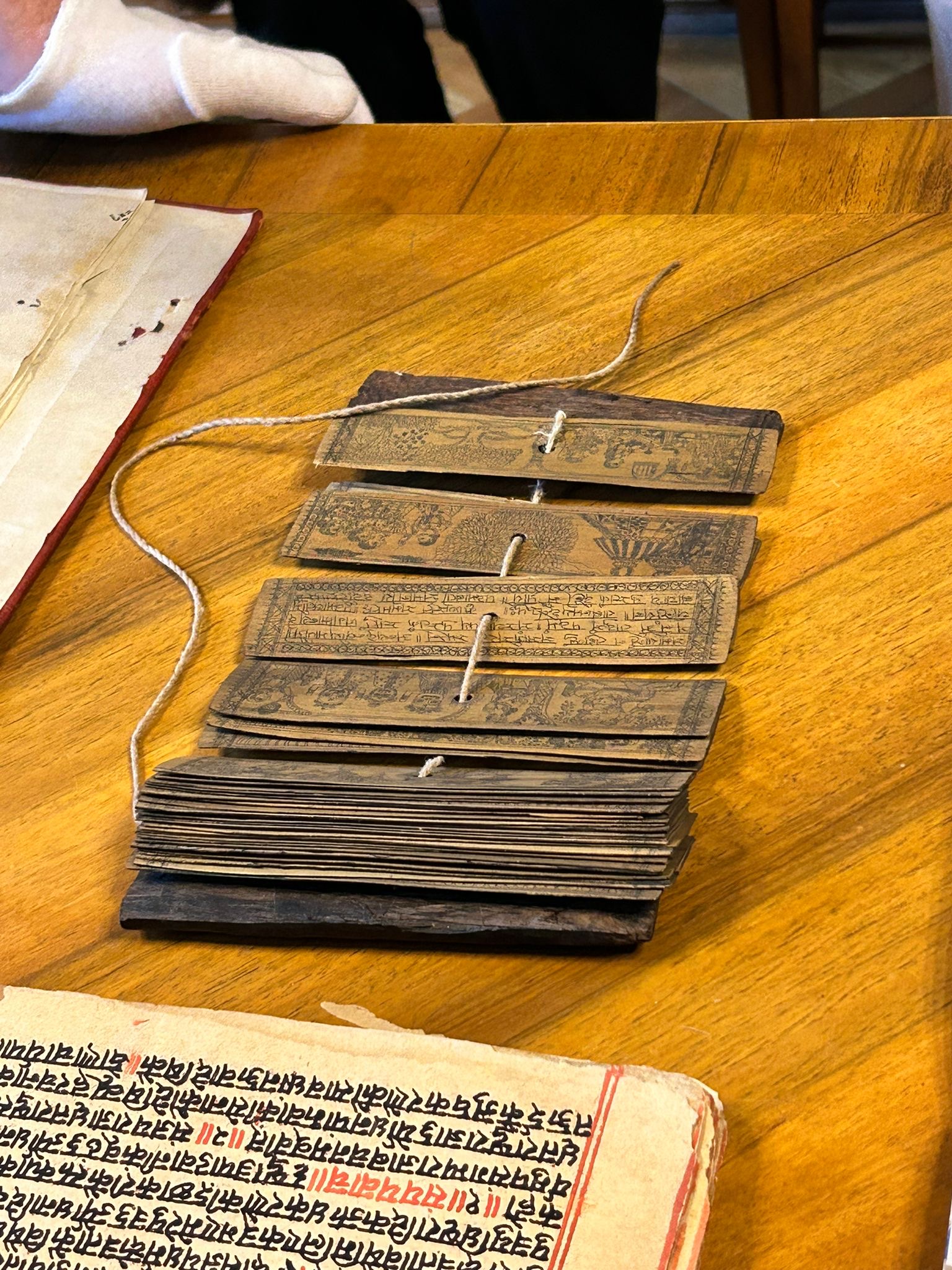
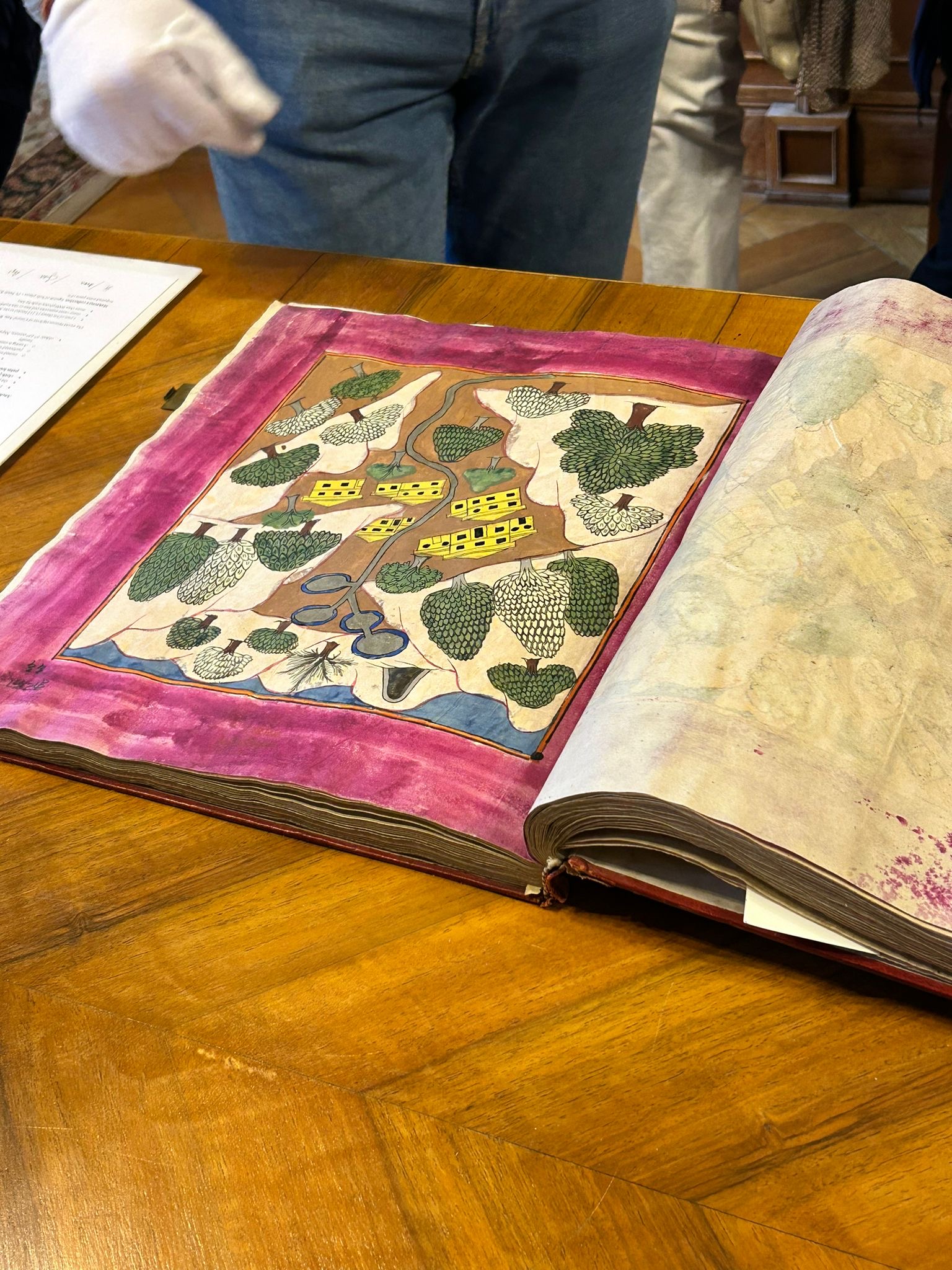
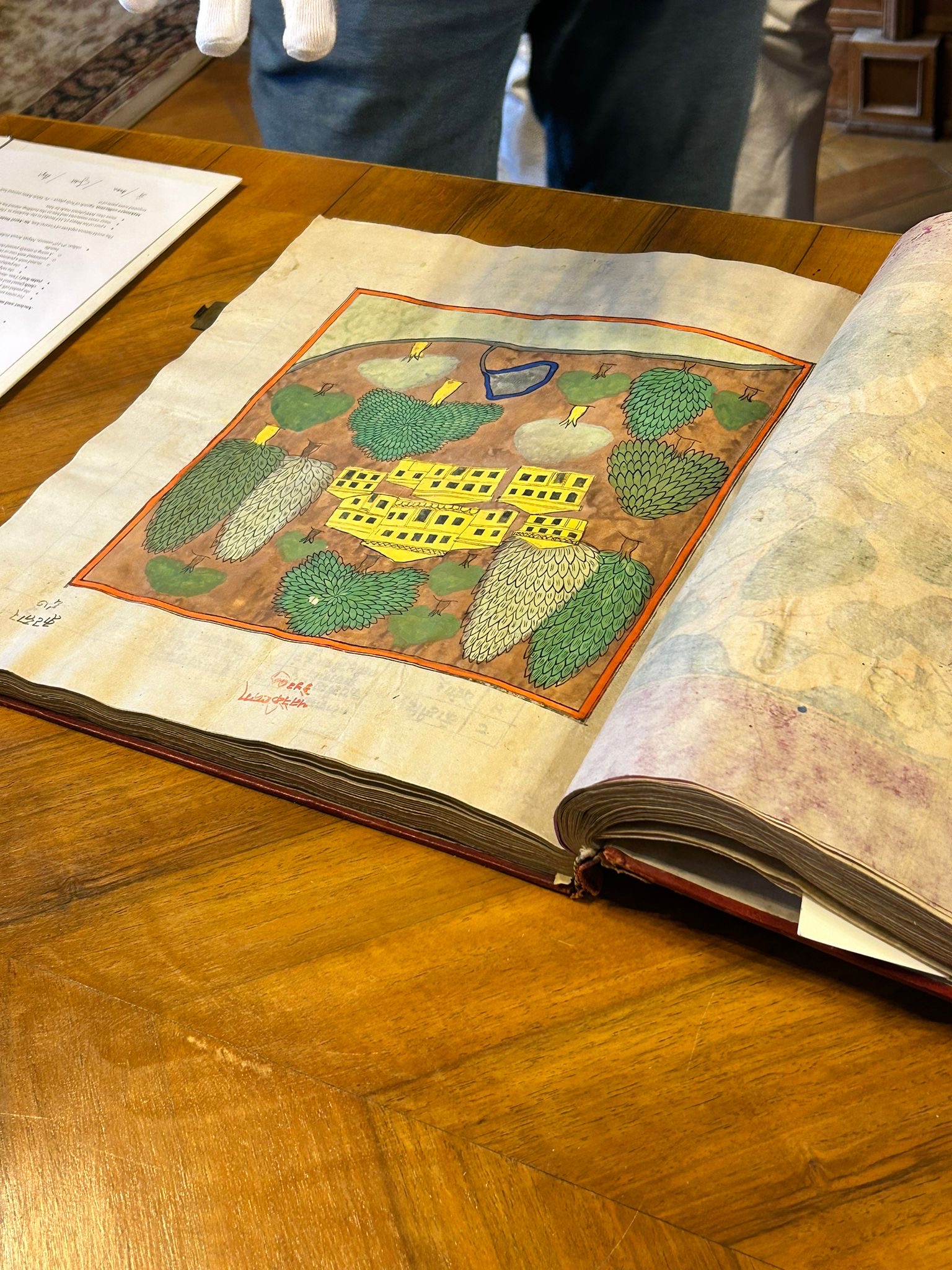
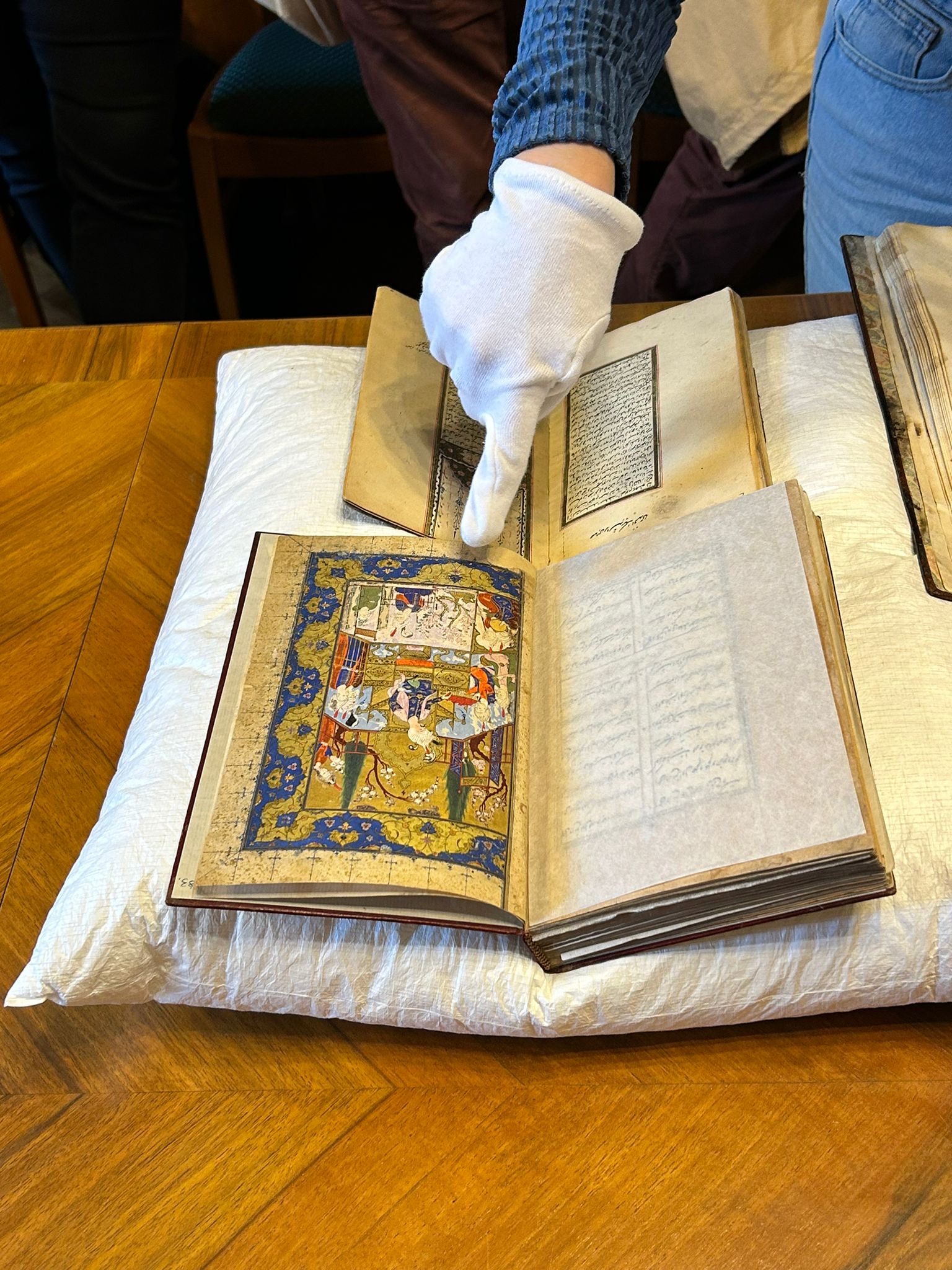
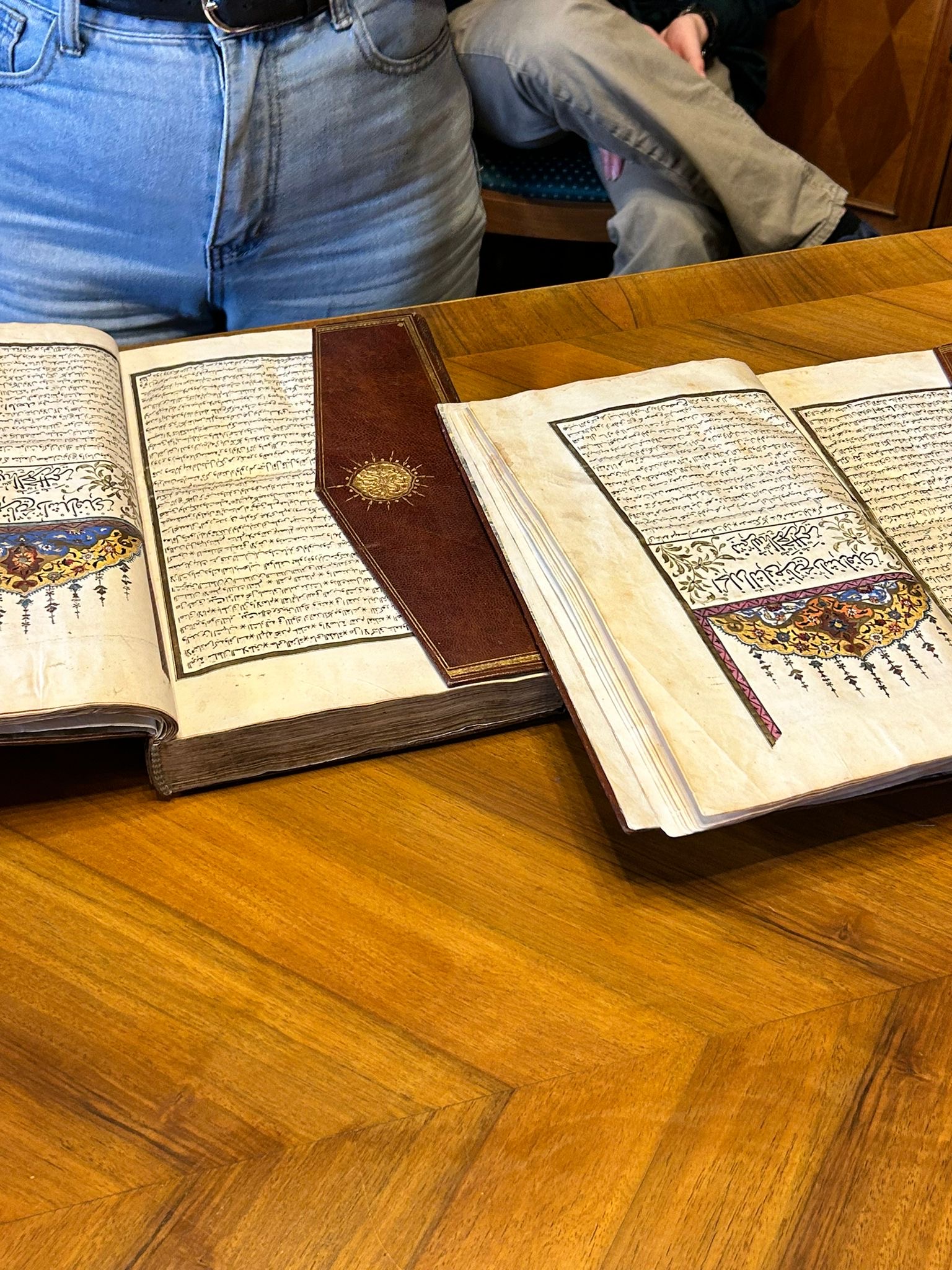
For most people these are beautiful books, but if you know a scholar of Medieval or Modern Europe or Modern Asia, these collections offer hidden gems from areas that may not be as accessible to scholars today. The librarians are experts in their fields, very friendly, and capable of communicating a variety of languages.
Special thanks to my colleague Emmy Todd, my photos did not turnout and she came through with these great pictures from the collections!
 Patrick C. Leech