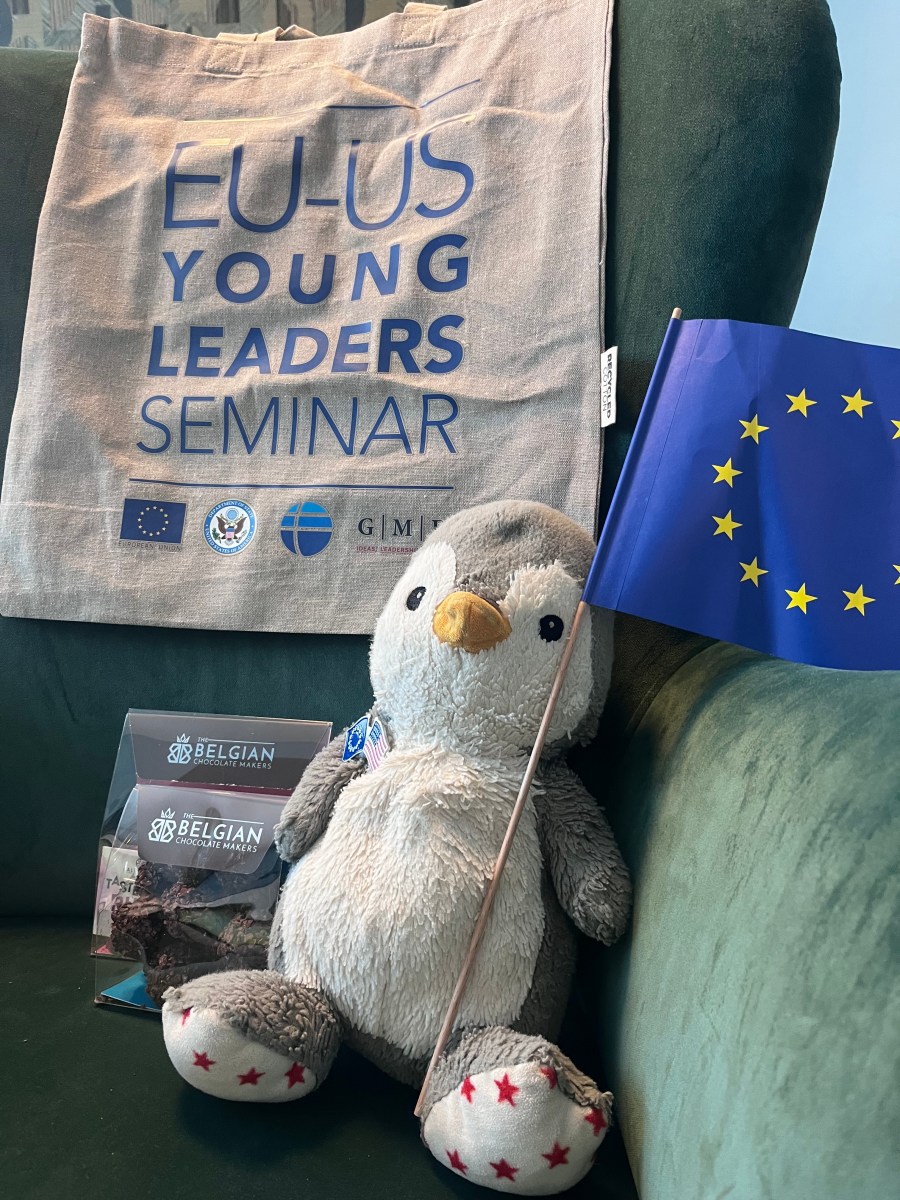
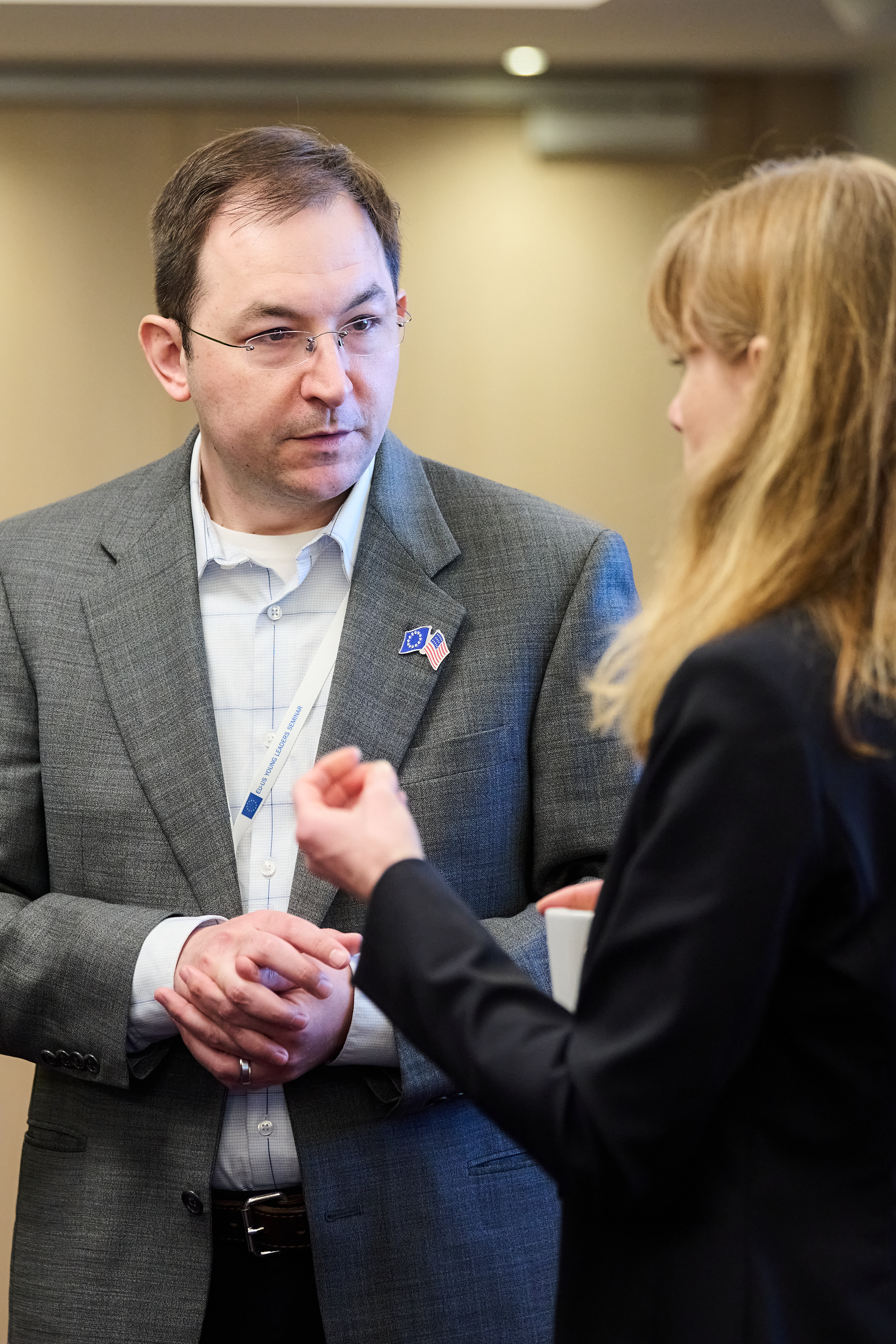
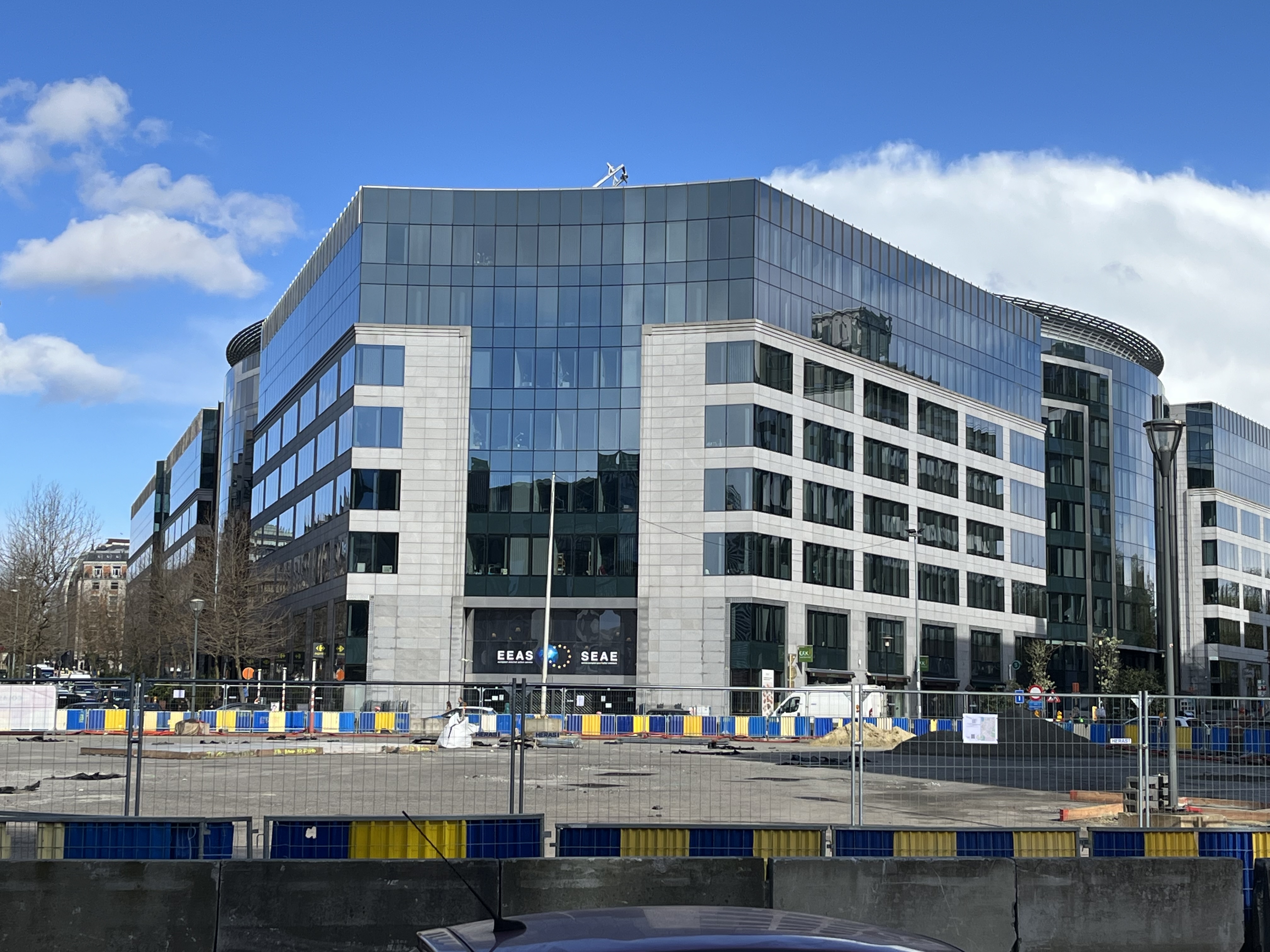
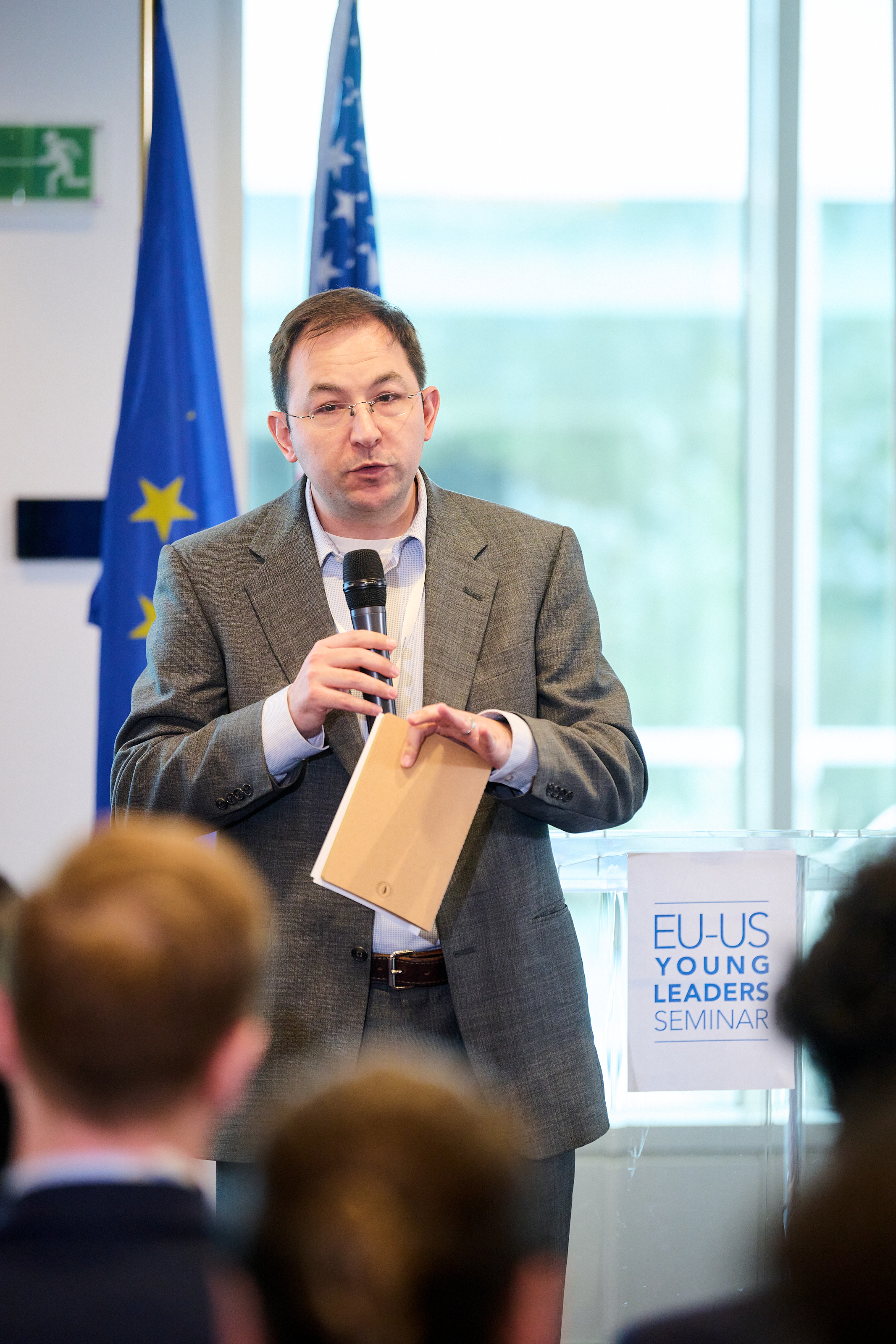
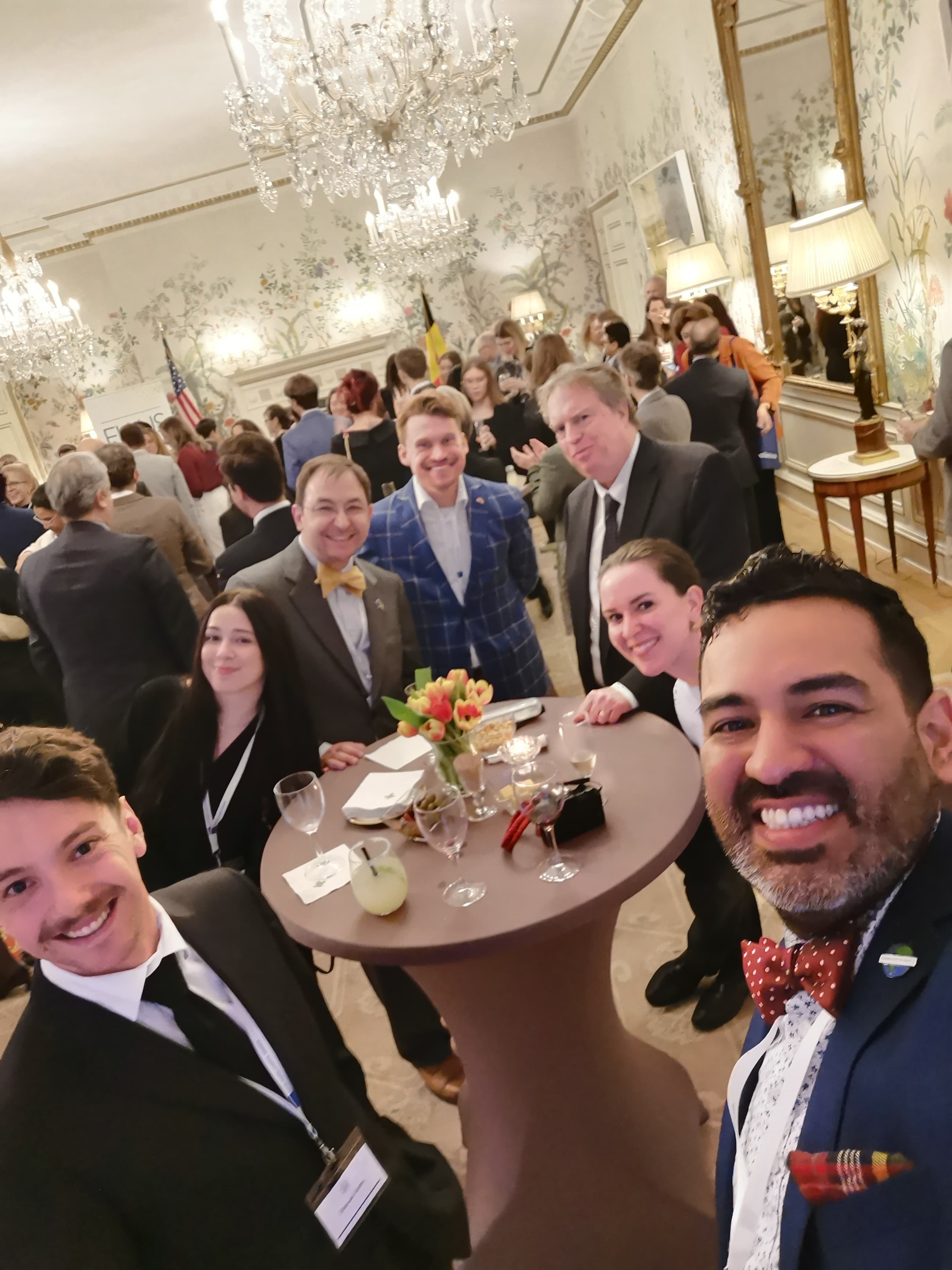
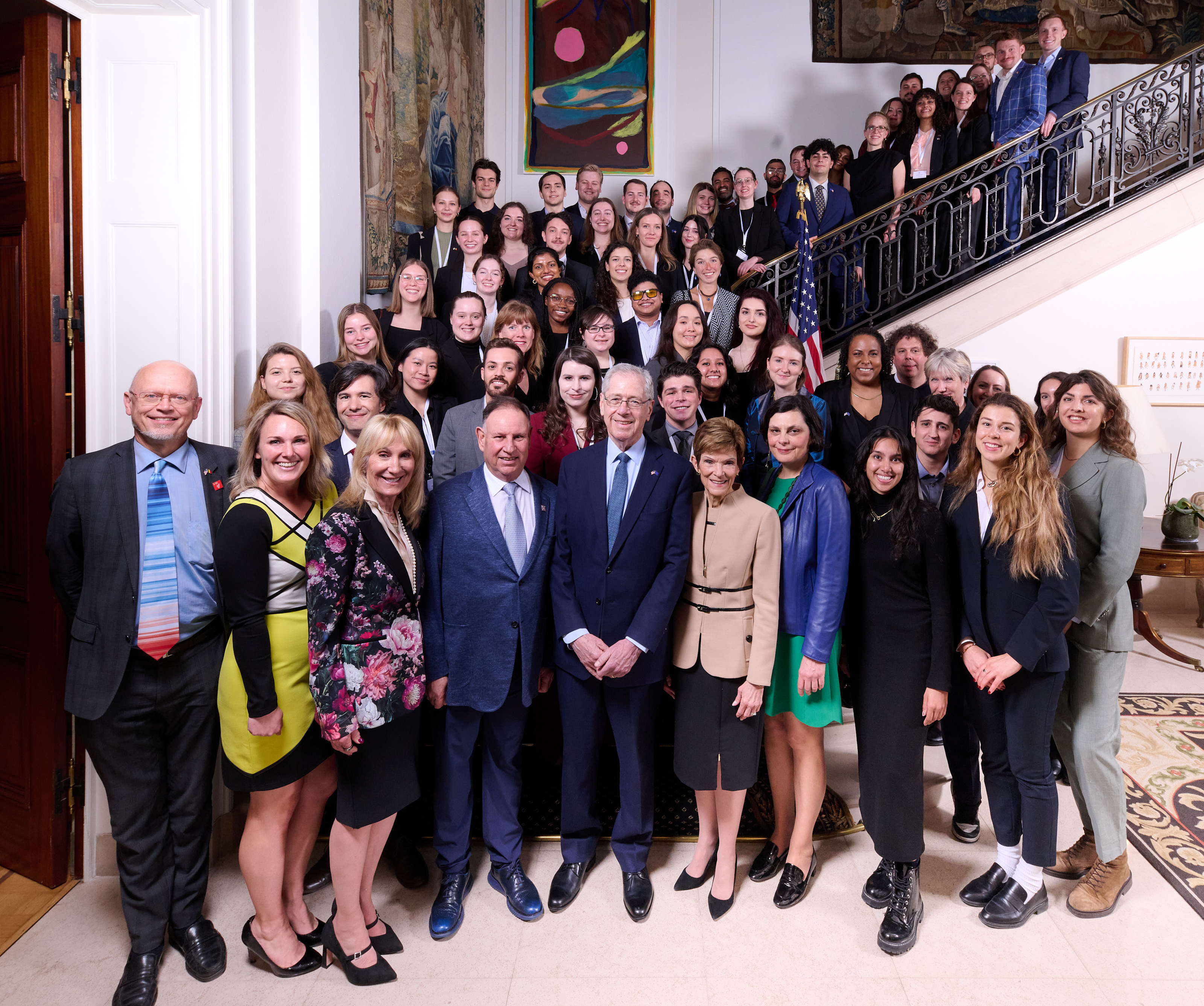
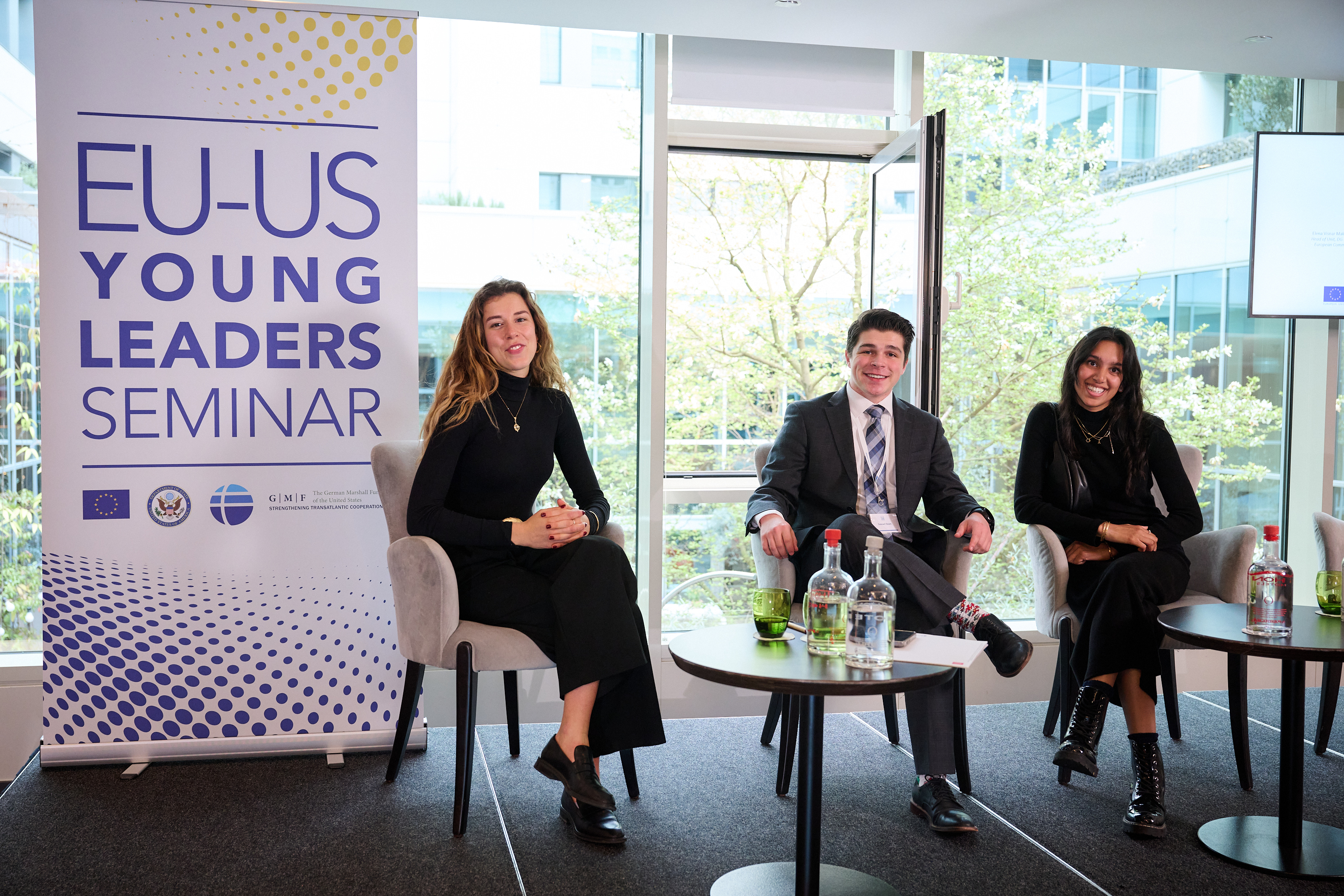
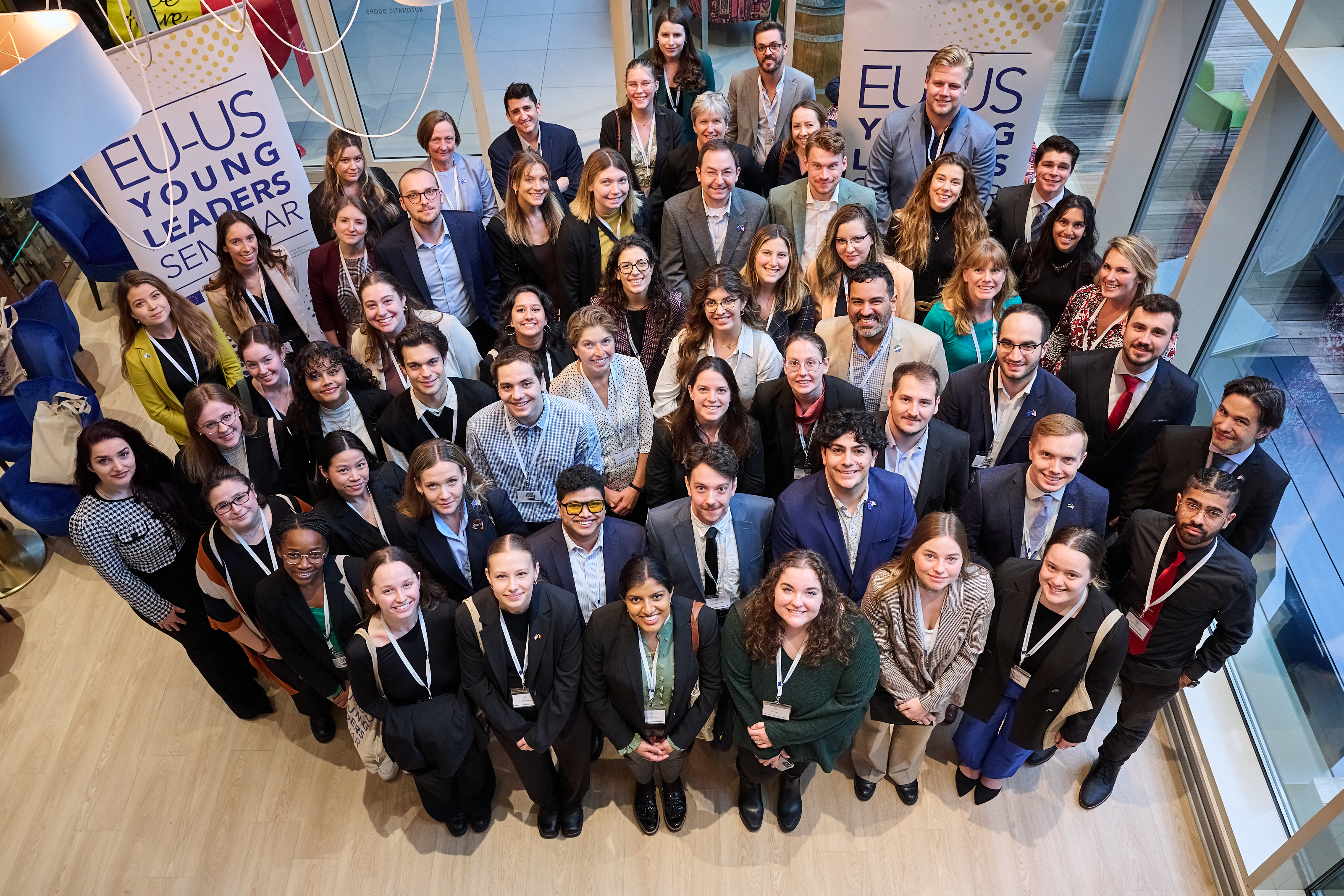
Last week I had the privilege of attending the EU-US Young Leaders Seminar in Brussels, Belgium. Organized by the Delegation of the European Union to the United States, the U.S. Department of State, the German Marshall Fund of the U.S., the Fulbright Commission in Brussels, and the Directorate-General for Education and Culture of the European Commission, the seminar brought 25 Fulbright US Student Grantees from around Europe together with 25 of our European colleagues who participated in the Erasmus+ and Marie Skłowdowska-Curies programs (two of the largest educational exchange and mobility programs in Europe). We gathered to interact with representatives from the European Commission, the European Parliament, and the United States as well as with other subject matter experts and thought leaders related to the annual theme. With topics as weighty as security and climate change, all present understood this seminar was not primarily about addressing these issues, rather it was about gaining familiarity with EU institutions, meeting with EU and US representatives working on transatlantic relations and developing personal connections with other young professionals while experiencing the capital of the EU.
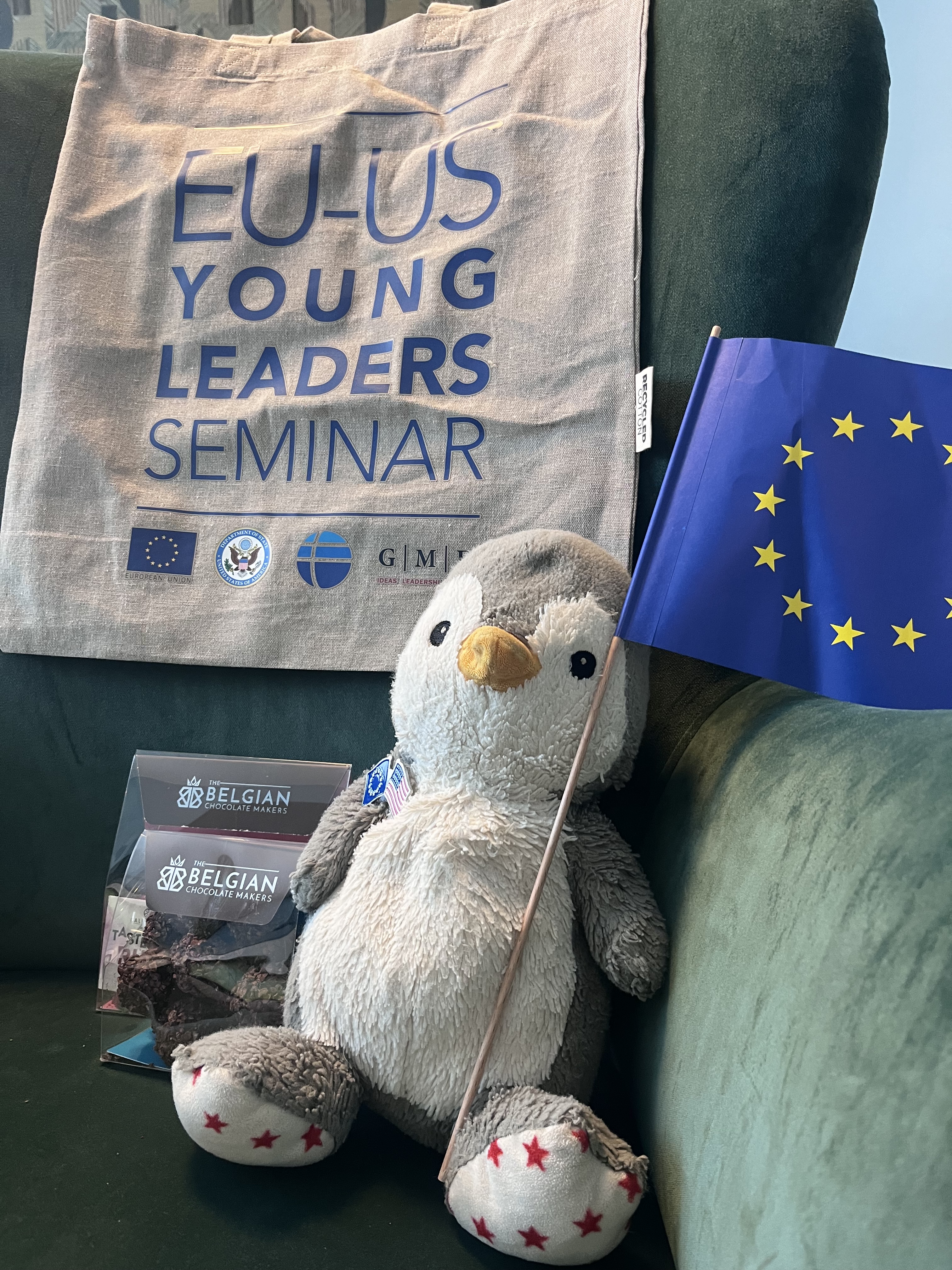


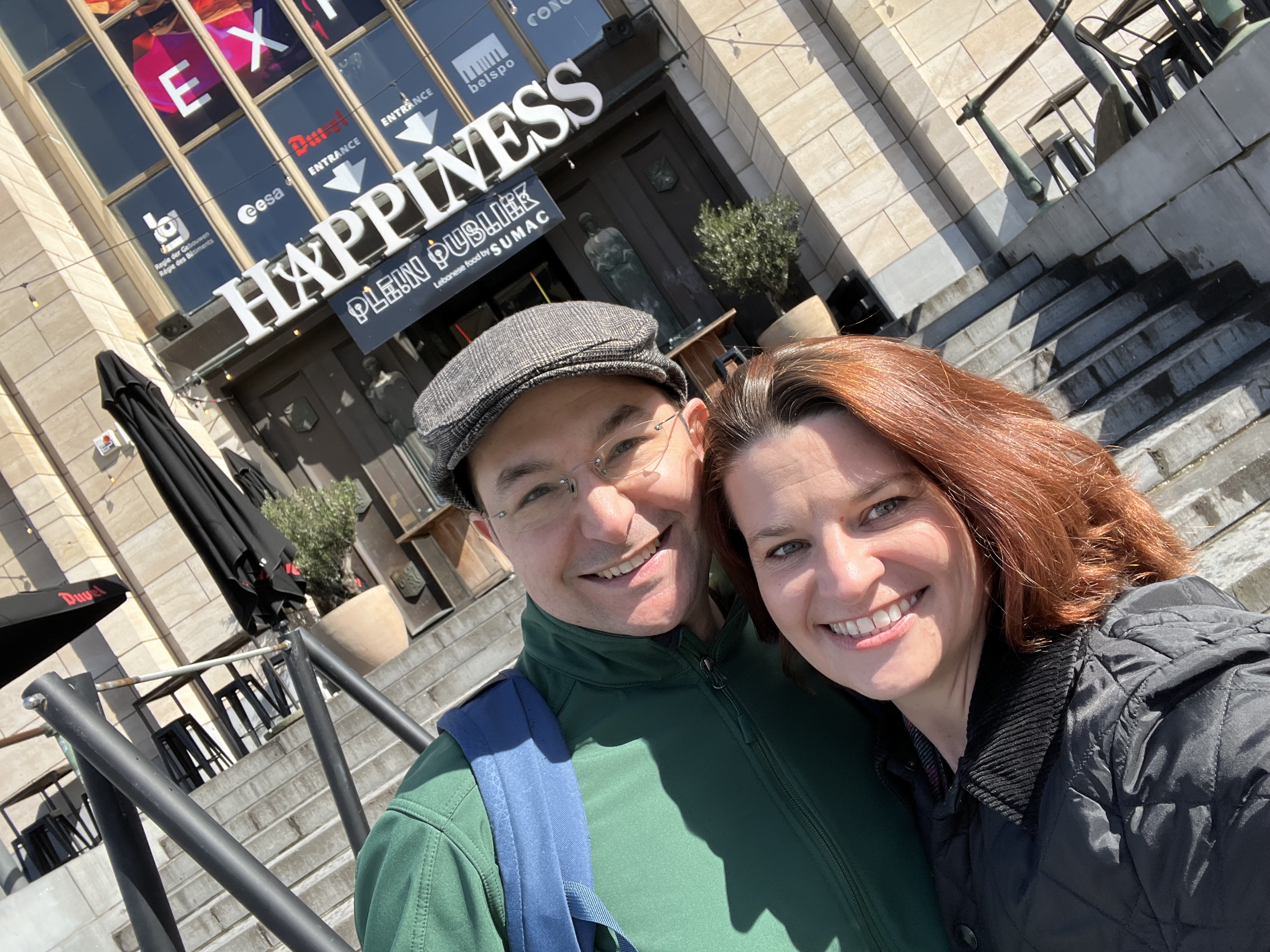
Besides numerous friendships and perspectives, I gained two major insights that related to my work. Formally what I study is referred to as cultural diplomacy, programs like Fulbright and the Young Leaders Seminar are perfect examples of this form of international relations. Via the seminar, I had conversations with colleagues from Belgium, Germany, Italy, Latvia, Peru1, Spain, and Americans studying in Bulgaria, Czechia, Denmark, Germany, Romania, Slovakia, Slovenia, Spain, and myriads of other places. We compared experiences, educational systems, life abroad, and of course security and climate change. While some might criticize such programs as meaningless (after all we didn’t solve climate change) or frivolous, such thoughts are short-sided. One of the most impactful books I have read is Cultural Exchange & the Cold War: Raising the Iron Curtain by Yale Richmond. Richmond writes as a former diplomat and carefully explains how the small investments in cultural exchange programs has consistently provided outsized returns on investment. For example, Aleksandr Yakovlev started a graduate degree at Columbia University in 1958 as one of the first US-Soviet student exchangees. Yakovlev went on to serve as an ambassador to Canada where in 1983 he invited Mikhail Gorbachev, then a party secretary for agriculture, to visit Canada. The two men quickly developed a rapport and leading to Yakovlev becoming a close advisor to Gorbachev. The two men shared a common realization from their experiences abroad: major reform was the only possibility for the survival of the USSR.2 Richmond provides numerous similar examples of the effects of cultural diplomacy initiatives. Admittedly, it is challenging to predict which programs may impact some yet-to-be-identified national leader, yet the expenses of these programs are a rounding error compared to hard power spending such as military expenditures. This remains as true today as during the Cold War, so the opportunity to directly participate in these programs has been personally rewarding and insightful!
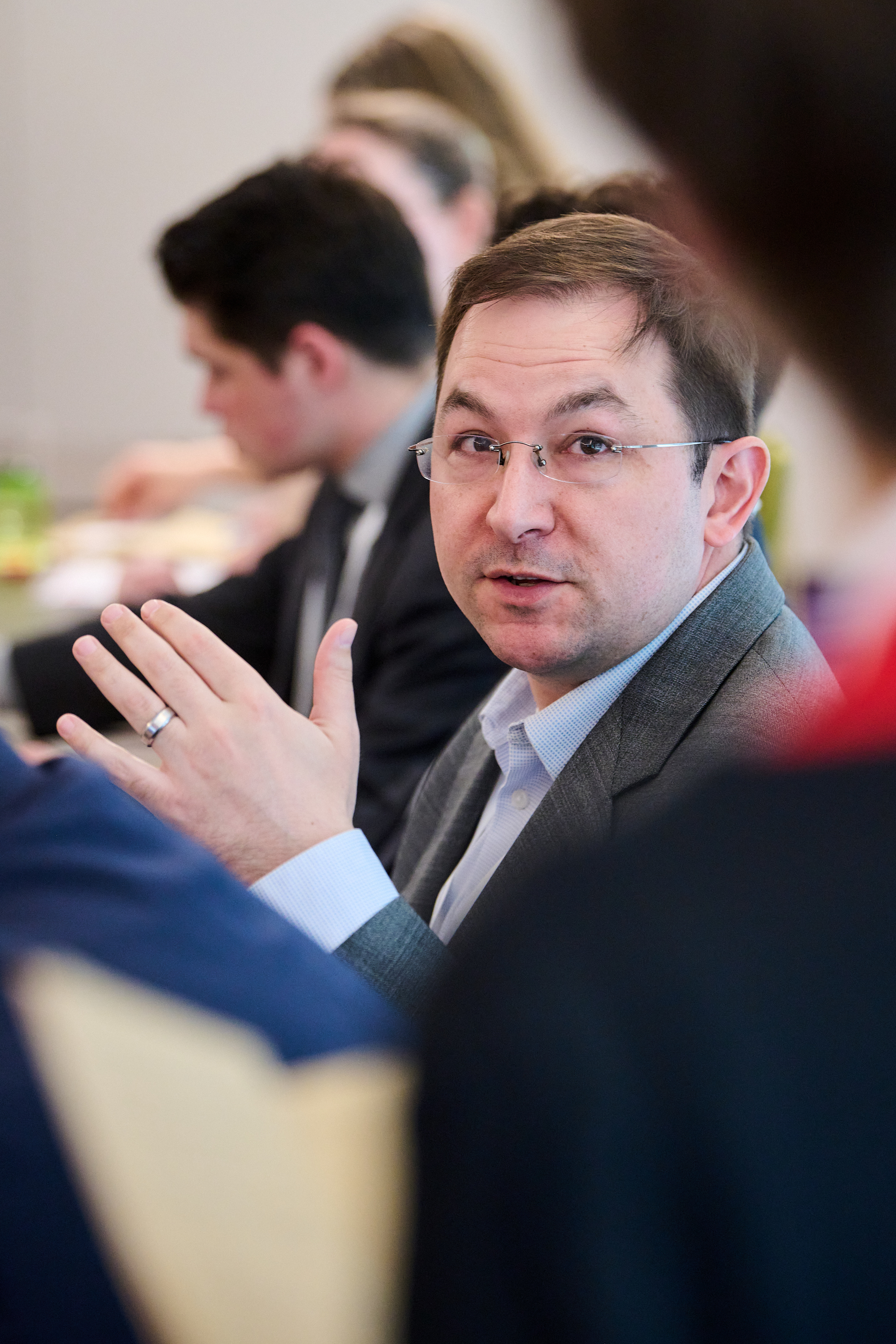

The second major insight came from the content of the seminar. Problems like climate change are often discussed as global issues, which is true, yet such a framing often creates an opportunity for people to view the problem as distant from themselves. Living in Texas, severe weather, fires, droughts, etc. are quite normal. There is even a saying with inscrutable origins attributed to the early 19th Century that describes Texas as “a land of interminable drought punctuated by floods of Biblical proportions.” As such, it is easy for people to ascribe changes in weather patterns to the vagaries of Texas weather. Moreover, with agriculture and oil and gas industries, often targeted by activists, representing major facets of local economies, dismissing efforts to mitigate climate is quite common. Yet localized initiatives to increase shady areas, reduce soil erosion, or prevent flooding are much more likely to receive enthusiastic support because these problems directly impact people in tangible ways. Policymakers recognize these as strategies for climate mitigation and resiliency. At the seminar, several speakers highlighted national and transnational programs that collaborated with local political leaders to successfully implement such initiatives. These efforts make a global problem tangible by addressing it at the local level—that is the level where most people live their everyday life. This stood out to me because it is a major part of the argument in my current research. The resettlement of the Hungarian refugees transformed a global reality—the Cold War—into a tangible local reality and thereby making the Cold War simultaneously global and local.
So even if the EU-US Young Leader Seminar did nothing regarding the climate crisis—and it certainly will have positive effects in that arena—it fulfilled its larger purposes: fostering transatlantic partnerships and making the global tangible to young professionals from the US and EU. And given the caliber of the people I met; I know there was at least “Yakovlev” in the room!
 Patrick C. Leech