Melba Lórik and the Power of Local Action

One of the things I love about historical research is meeting people; sometimes that is at a conference or in the archive. And being a historian, sometimes those people are no longer living. No, historical research is not necromancy, rather history is similar to how G.K. Chesterton described tradition – it invites those from the …
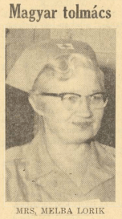
Continue reading Melba Lórik and the Power of Local Action

EU-U.S. Young Leaders Seminar: “The Security Implications of Climate Change”

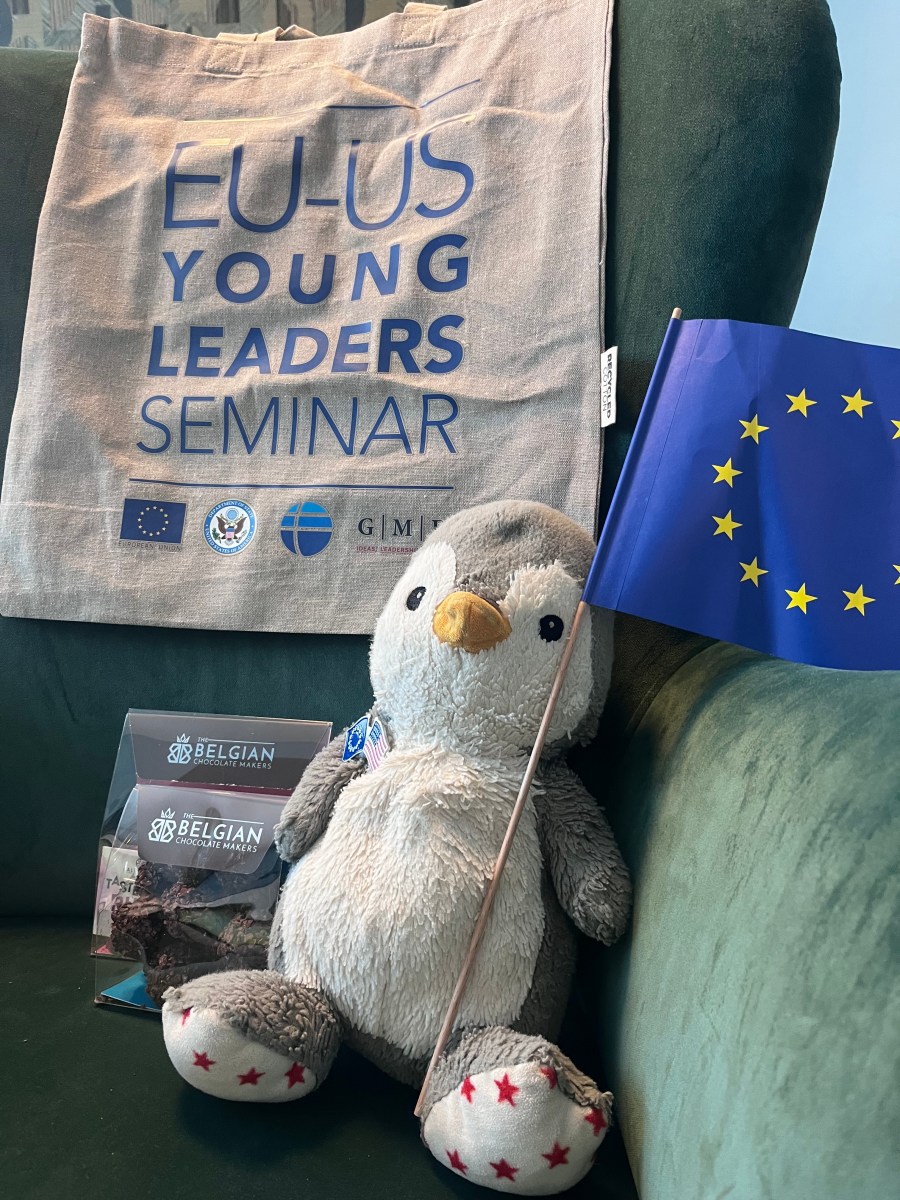
Last week I had the privilege of attending the EU-US Young Leaders Seminar in Brussels, Belgium. Organized by the Delegation of the European Union to the United States, the U.S. Department of State, the German Marshall Fund of the U.S., the Fulbright Commission in Brussels, and the Directorate-General for Education and Culture of the European Commission, …

Continue reading EU-U.S. Young Leaders Seminar: “The Security Implications of Climate Change”

You, Me, & AI: Opportunities for collaboration

This week’s post is about the digital humanities work—using computers to assist with the research process—I am doing here in Hungary. Since that can be rather technical, I thought I would provide the direct connection up front and then for those interested a description of the technical part follows. Thanks for reading! -PCL Summary: A …

Continue reading You, Me, & AI: Opportunities for collaboration

What I Do: What is Digital Humanities?

Another aspect of my work is the attempt to answer historical questions with computers, a concept known as digital history or digital humanities.[1] Before starting my doctorate program, I worked fulltime in Information Technology for twelve years. During that time, I worked in several sectors and verticals and across various subspecialties within the IT domain. So, …

Continue reading What I Do: What is Digital Humanities?

What I Do: My dissertation

was recently asked the perennial graduate school question: "What do you do?" While my answer was much shorter, this overview of my current work seems like a good place to kickoff a short series to introduce myself. -PCL On 23 October 1956, a Hungarian student-led march in support of their Polish confreres swiftly turned into a demonstration, then a protest, to a mob, and finally to a revolt...