Lyukas Zászló (The Holed Flag)

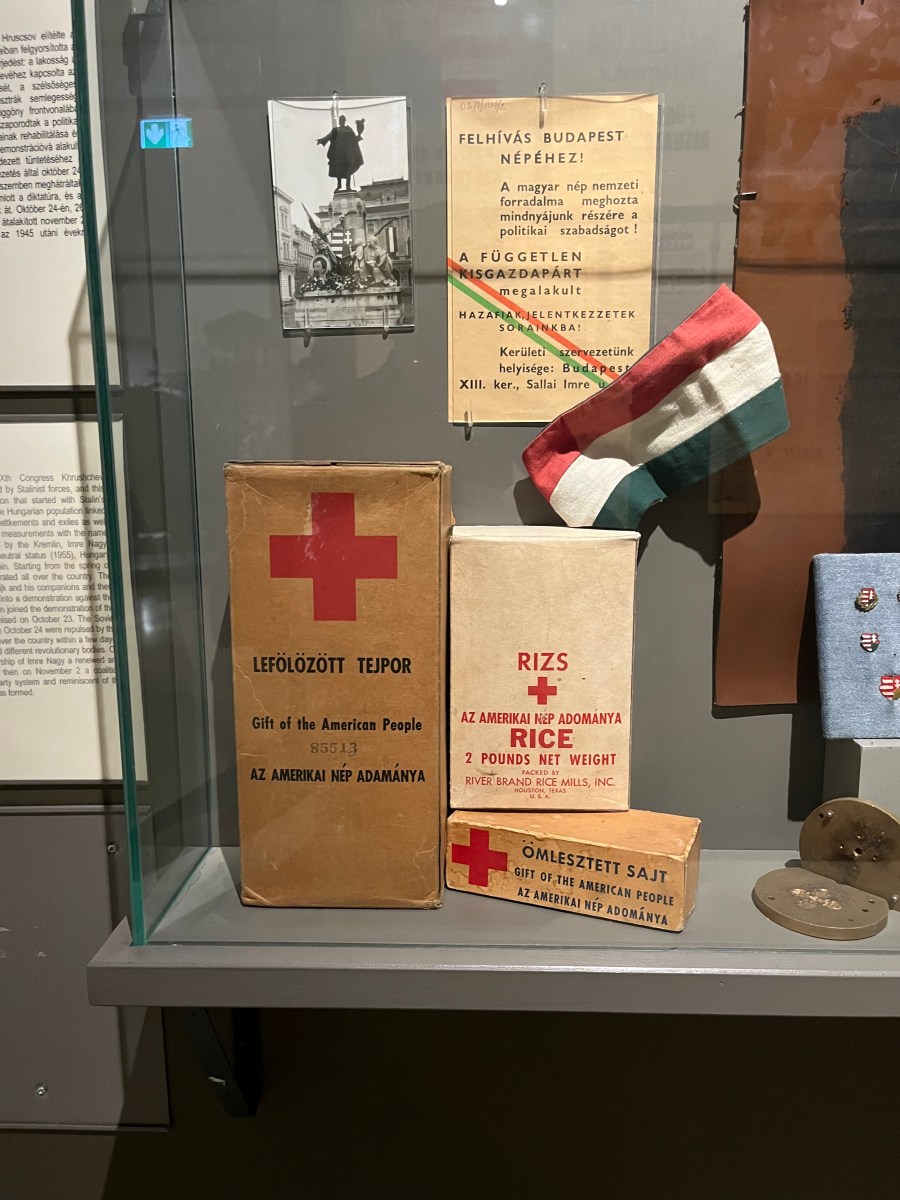
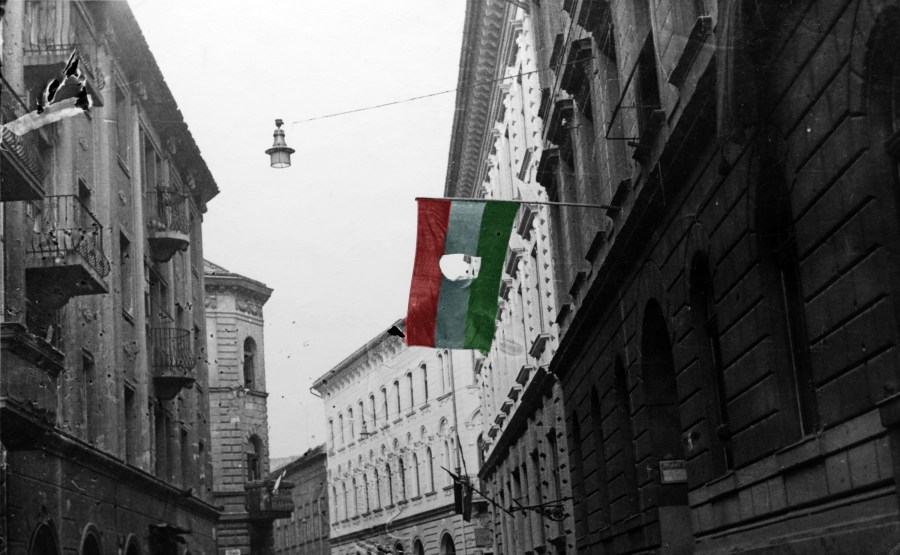
A lyukas zászló hung on Leonardo da Vinci Street in central Budapest. (Nov. 1956) Credit: Fortepan.hu / Colorization: Patrick C. Leech On October 23, 1956, university students in Budapest, Hungary organized a march in solidarity with the anti-Soviet events in Poland. The students were joined by workers and other residents of Budapest and eventually over 20,000 people …
Continue reading Lyukas Zászló (The Holed Flag)

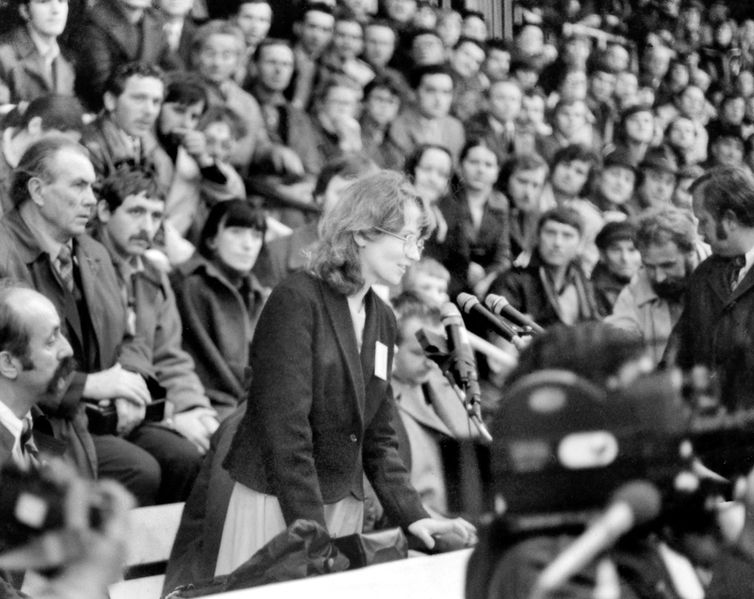
Melba Lórik and the Power of Local Action

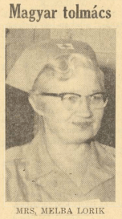
One of the things I love about historical research is meeting people; sometimes that is at a conference or in the archive. And being a historian, sometimes those people are no longer living. No, historical research is not necromancy, rather history is similar to how G.K. Chesterton described tradition – it invites those from the …

Continue reading Melba Lórik and the Power of Local Action

Update, 8 September 2025

After an unexpectedly long hiatus, I can finally return to the semi-scheduled programing, but first a brief update. In August, I finally graduated with my doctorate. All of my creative energies had been directed toward writing a dissertation which is why this languished. Additionally, I began moved to South Carolina to start teaching as an …

Continue reading Update, 8 September 2025

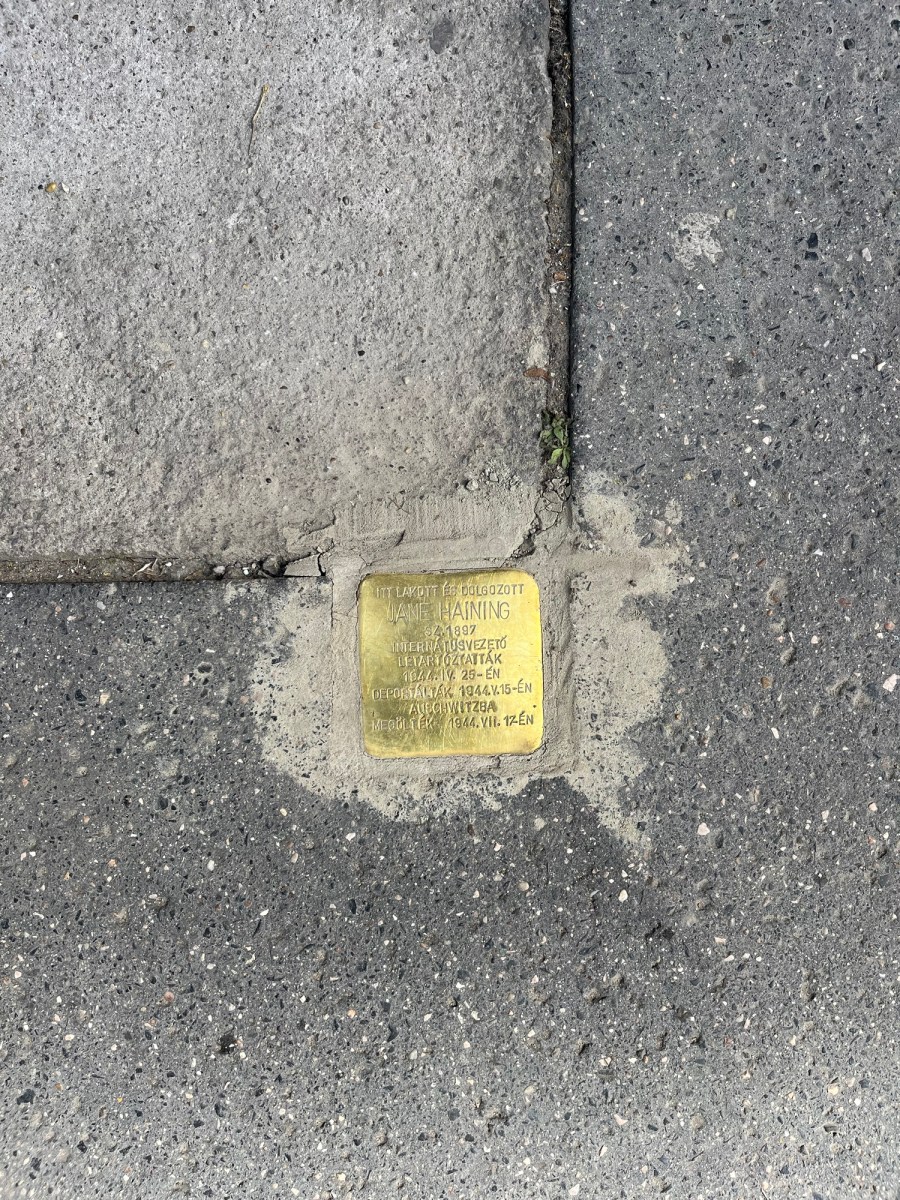
Jane Haining, Stolpersteines, and Bearing Witness

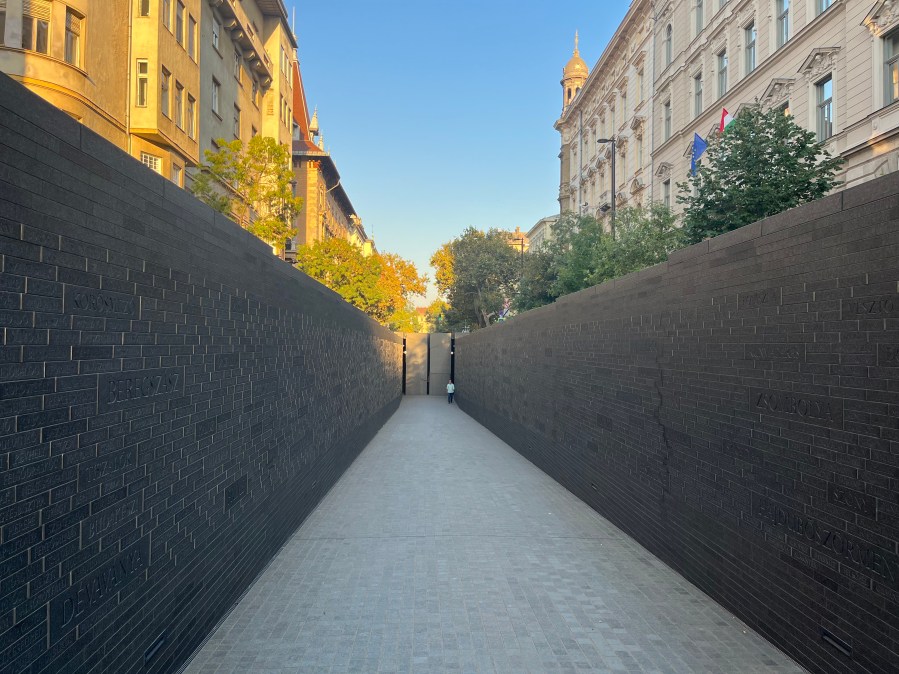
As my time in Budapest comes to an end, I find myself returning to some the places with special meaning, one of which is the “Shoes of the Danube Bank” Memorial. I find this simple memorial quite moving, and despite the inhumanity of its historical antecedents there is something deeply human about the place. Along …

Continue reading Jane Haining, Stolpersteines, and Bearing Witness

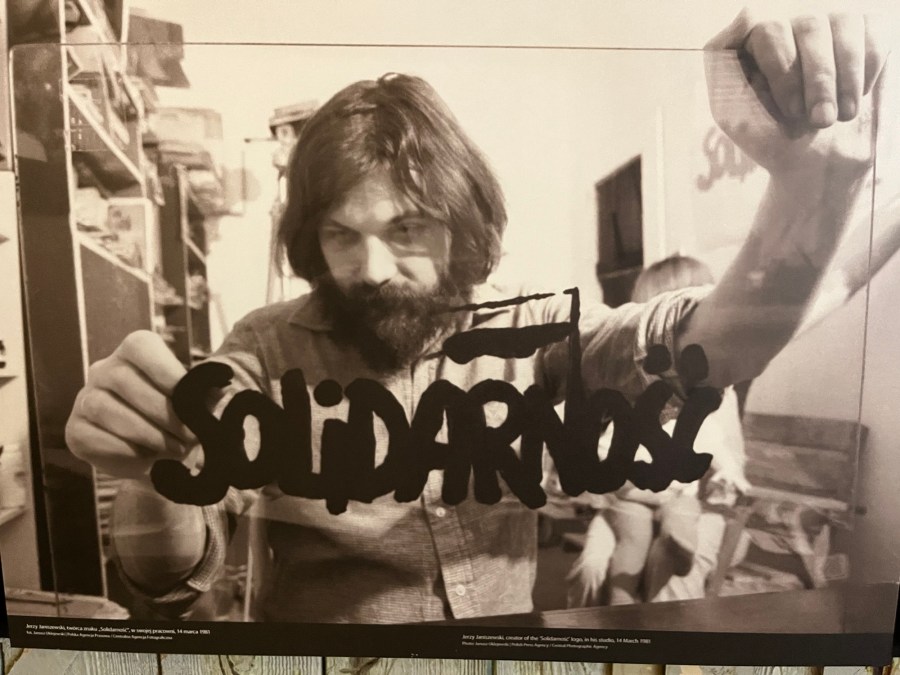
European Solidarity Centre & Father Jerzy Popiełuszko

This past week I visited Gdańsk, Poland to guest lecture for the wonder Dr. Ania Marzurkiewicz and her graduate class on US-Polish relations. While in Gdańsk, my wife and I visited the European Solidarity Centre which houses archival collections related to Solidarność, the independent labor union that formed in Poland during the socialist era. The …

Continue reading European Solidarity Centre & Father Jerzy Popiełuszko

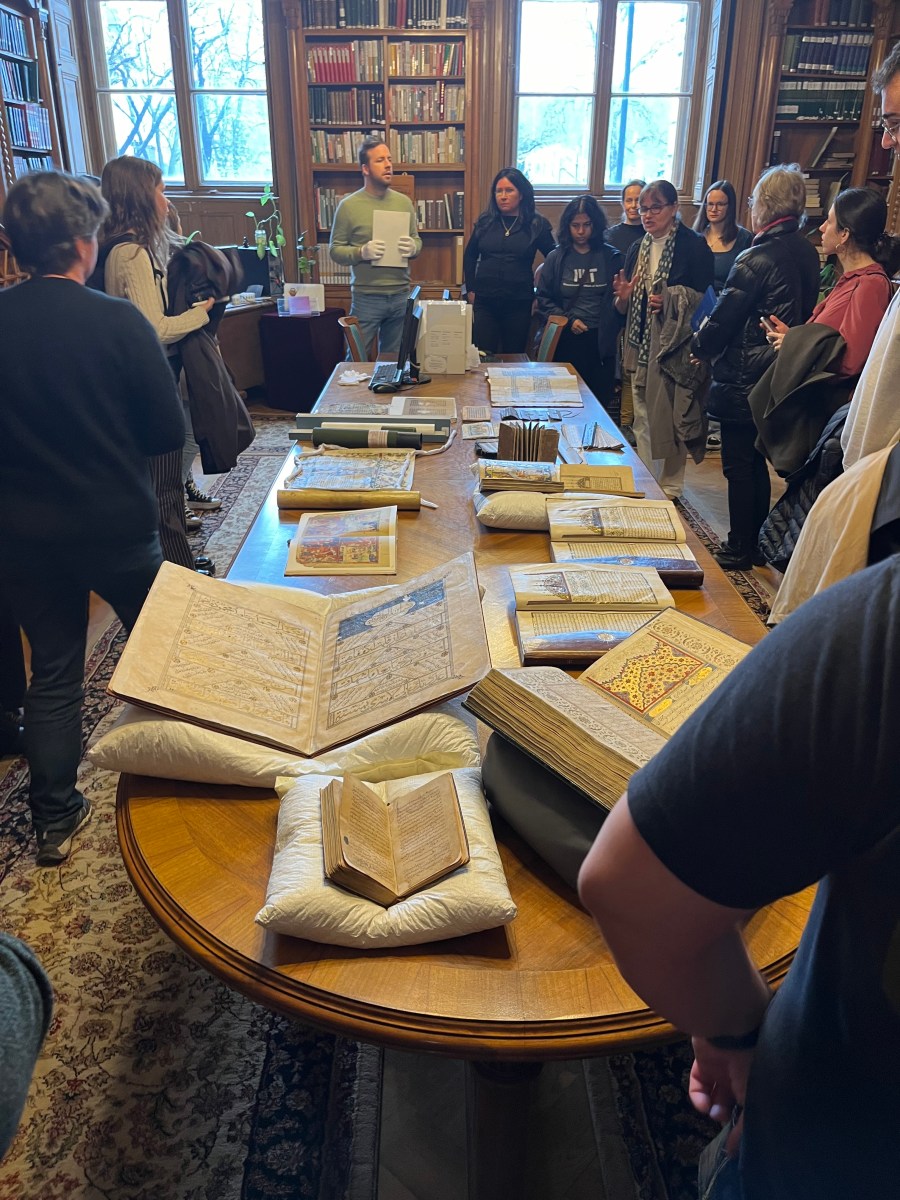
Conference in Memoriam: C.A. Macartney & László Péter 

Late this week I had to privilege to attend a conference celebrating the work of the historians C.A. Macartney and László Péter. The conference was jointly hosted by Károli Gáspár Református Egyetem (KRE) in Budapest and the School of Slavonic and East European Studies (SSEES) at University College London (UCL) and held in the beautiful …

Continue reading Conference in Memoriam: C.A. Macartney & László Péter 

EU-U.S. Young Leaders Seminar: “The Security Implications of Climate Change”

Last week I had the privilege of attending the EU-US Young Leaders Seminar in Brussels, Belgium. Organized by the Delegation of the European Union to the United States, the U.S. Department of State, the German Marshall Fund of the U.S., the Fulbright Commission in Brussels, and the Directorate-General for Education and Culture of the European Commission, …

Continue reading EU-U.S. Young Leaders Seminar: “The Security Implications of Climate Change”

Library and Information Center of the Hungarian Academy of Sciences

The Hungarian Academy of Sciences (Magyar Tudományos Akadémia) plays a critical role in the development of Hungarian culture, education, and scholarship. Founded in 1825, the Akadémia served as a center for the development of a formalized Hungarian language, literature, and a repository for scientific knowledge. It is housed in a beautiful Renaissance Revival building overlooking …

Continue reading Library and Information Center of the Hungarian Academy of Sciences

Snowy Days in Debrecen

Early this week I travelled to Debrecen (in Northeastern Hungary) to present at a conference at the University of Debrecen. The conference went well, I met great scholars and received immensely helpful feedback on my research. My trip began at the Nyugati Pályaudvar (Western Train Station) in Budapest. It is a striking structure build by Gustave Eiffel …

Continue reading Snowy Days in Debrecen

You, Me, & AI: Opportunities for collaboration

This week’s post is about the digital humanities work—using computers to assist with the research process—I am doing here in Hungary. Since that can be rather technical, I thought I would provide the direct connection up front and then for those interested a description of the technical part follows. Thanks for reading! -PCL Summary: A …

Continue reading You, Me, & AI: Opportunities for collaboration

View of Stalin's Boots from inside Statue Park. Author, 2023.

How do we remember? Memory, myth, and Memento Park

One of the first readings I assign to students is this article1 by Jason Steinhauer because it allows students to engage with the core aspects of the historian’s craft, particularly the difference between memory, myth, history, and the past. In last week’s post, I talked about Thanksgiving, its mythology, and the purpose of that myth. So, …

Continue reading How do we remember? Memory, myth, and Memento Park

The historian’s life: tales of intersecting sources

Note: This post is later than expected partly because my schedule was unusually busy last week but also because the post I started to write was too long and winding. I will come back to that topic, but in the interim I thought I would offer this brief glimpse into how historian’s work. -PCL Yesterday …

Continue reading The historian’s life: tales of intersecting sources

Dohanyi utca Synagogue

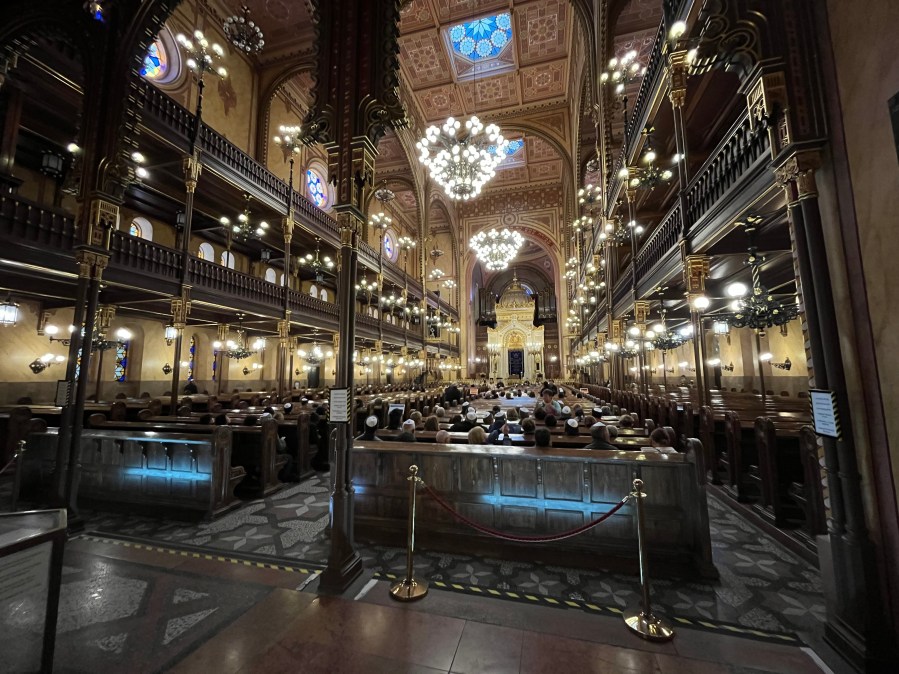
On Monday, I met up with friend to visit the Dohanyi utca Synagogue and Holocaust Museum. The synagogue is the largest in Europe and features several unusual design elements that reflect the unique theology of the congregation. The lovely building was initially completed in 1859 and features a large pipe organ and multi-level seating with …

Continue reading Dohanyi utca Synagogue

The Treaty of Trianon (1920) & the Memorial of National Unity (2020)

One of my favorite moments when teaching history is when a student realizes the way a specific event in the past directly affects them. The American Historical Association is fond of the phrase “Everything has a History.” Yet this disconnect between past and present is rather foreign to Hungarian culture, a notable example of this …

Continue reading The Treaty of Trianon (1920) & the Memorial of National Unity (2020)

What I Do: What is Digital Humanities?

Another aspect of my work is the attempt to answer historical questions with computers, a concept known as digital history or digital humanities.[1] Before starting my doctorate program, I worked fulltime in Information Technology for twelve years. During that time, I worked in several sectors and verticals and across various subspecialties within the IT domain. So, …

Continue reading What I Do: What is Digital Humanities?

Hungary, Russia, and the History Textbook Feud

On September 1, the New York Times carried an article about the new Russian history textbook and its descriptions of Ukraine and the ongoing “special military operation.” The next week, The Hill, a US political news site ran a similar piece. Both panned the new textbooks as inaccurate and propaganda. Unless you closely follow US politics or Eastern Europe, it …

Continue reading Hungary, Russia, and the History Textbook Feud

Travelogue: Visegrád & Mátyás Királyi Palota

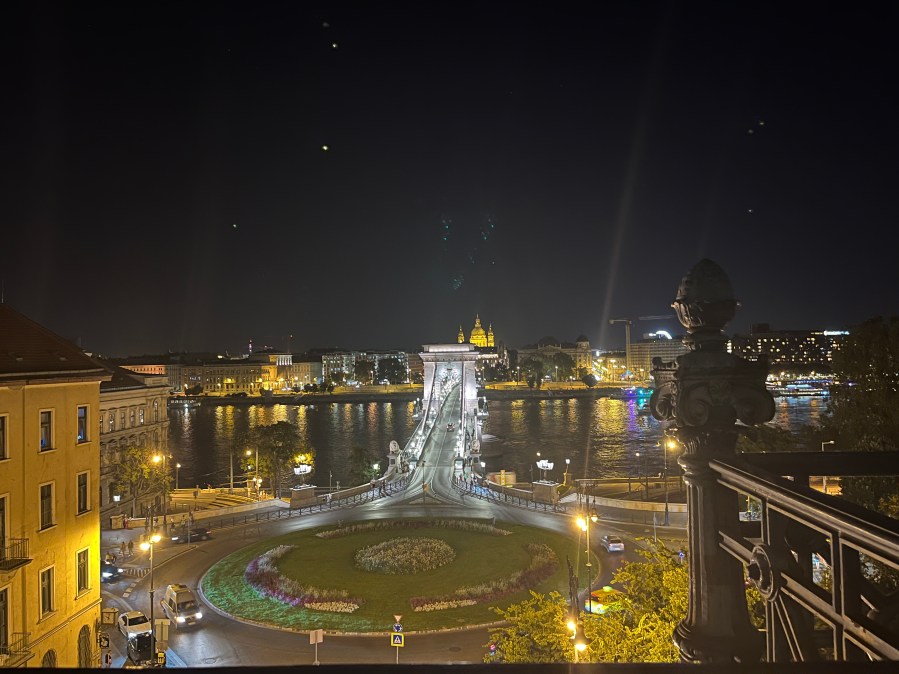
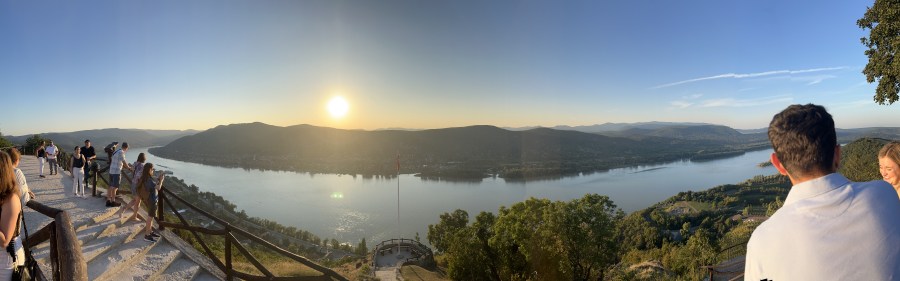
This past week I attended orientation with the Hungarian-American Fulbright Commission which allowed me to meet the other students and scholars visiting Hungary from the US. In addition to crash courses in language, culture, music, politics, economics, higher education, and living abroad, we also had a couple of guided tours. So, it seems an appropriate …

Continue reading Travelogue: Visegrád & Mátyás Királyi Palota

What I Do: My dissertation

was recently asked the perennial graduate school question: "What do you do?" While my answer was much shorter, this overview of my current work seems like a good place to kickoff a short series to introduce myself. -PCL On 23 October 1956, a Hungarian student-led march in support of their Polish confreres swiftly turned into a demonstration, then a protest, to a mob, and finally to a revolt...

Featured Hungarian gulyas being prepared over an open fire in a traditional pot called a bogrács.

Welcome to Historian’s Gulyás!

I'm Patrick and over the next nine months I will be living, researching, and traveling in Hungary. This is where I will record some of my experiences and reflect on Hungarian history and culture. I'll also highlight the intersection of technology with historical research and teaching. Perhaps you are wondering about the title. Gulyás*, aka …

Continue reading Welcome to Historian’s Gulyás!